What are Microsoft AI Tools? A Look into Innovation

What are Microsoft AI Tools? A Look into Innovation
What are Microsoft AI Tools? A Look into Innovation

Understanding Microsoft AI tools is essential for businesses aiming to gain a competitive edge. These tools encompass a range of applications and services that leverage artificial intelligence to enhance efficiency and drive innovation across various industries. This article highlights the key features and functions of Microsoft AI tools, illustrating their impact on business operations, customer engagement, and data analytics.

Whether you represent a startup looking for AI solutions or a large organisation interested in advanced analytics, this guide provides valuable insights into Microsoft’s AI offerings. We will explore the benefits of these technologies, their responsible application, and the ways they enable businesses to thrive in a data-driven landscape. Join us as we delve into the transformative capabilities of Microsoft AI tools and discover the exciting advancements they bring.

Overview of Microsoft AI Tools

Microsoft AI tools provide businesses with effective solutions to enhance efficiency and productivity. In today’s data-driven environment, integrating AI is essential for organisations looking to remain competitive. Microsoft’s technology streamlines operations and improves data analysis across various sectors.

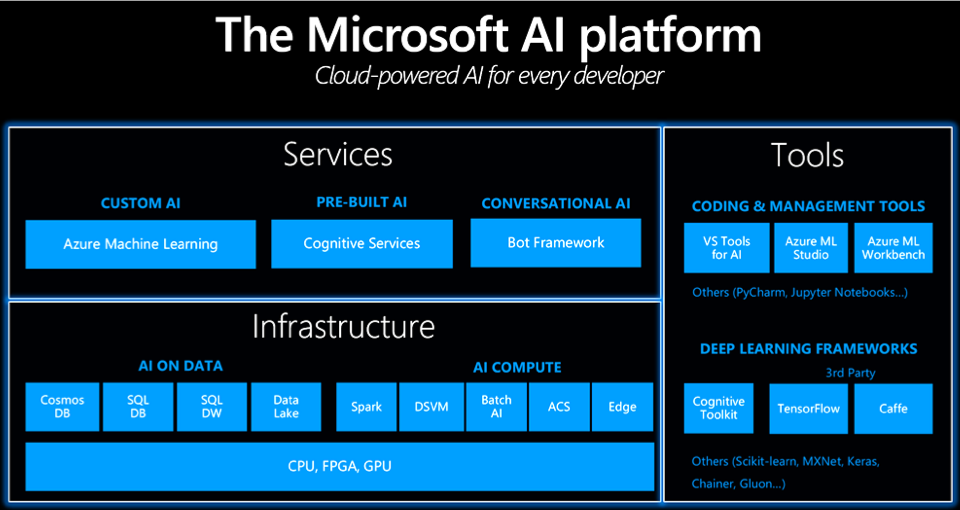
Among the key offerings is Azure AI, which facilitates the building, training, and deployment of machine learning models. This platform includes capabilities such as natural language processing, computer vision, and speech recognition, enabling businesses to develop responsive applications. In addition, Microsoft Power BI utilises AI to turn data into actionable insights, allowing users to visualise trends for informed decision-making.

Furthermore, Microsoft AI tools play a transformative role in organisational operations. By automating repetitive tasks, companies can dedicate more resources to strategic growth initiatives. Research indicates that organisations employing AI tools can achieve productivity increases of up to 40%, underscoring their substantial benefits.

The ease of integration is another advantage of Microsoft AI tools. Businesses can seamlessly adopt these technologies without overhauling their existing systems. Tools like Microsoft Teams and Microsoft 365 come equipped with AI features that enhance collaboration and communication, making it simple to harness the benefits of AI without significant disruptions.

In the following sections, we will delve into specific Microsoft AI tools and features that have made a notable impact in the market, highlighting their unique capabilities and innovative applications.

Key Microsoft AI Tools and Features

Microsoft AI tools provide innovative solutions designed to boost productivity and streamline business operations. Utilising advanced algorithms and machine learning, these tools offer valuable insights while automating routine tasks.

One of the leading services is Microsoft Azure AI, a cloud-based platform that facilitates the integration of AI into applications. Azure AI encompasses various features, including machine learning, natural language processing, and image recognition, allowing developers to create intelligent applications tailored to their specific needs.

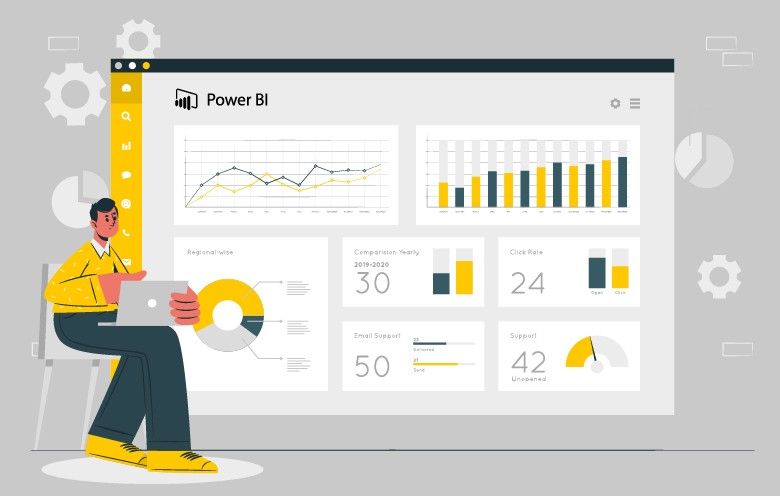
Another essential tool is Power BI, which transforms raw data into visual insights. With AI capabilities, Power BI helps users identify trends, forecast outcomes, and develop interactive reports that support informed decision-making. Its natural language queries simplify data interaction for users.

Power Automate enhances operational efficiency by enabling automated workflows. This tool connects various applications and services, reducing the need for manual tasks. AI features like process mining further enhance productivity, allowing businesses to optimise their operations effectively.

Additionally, Cognitive Services provides APIs that integrate AI functionalities into applications without requiring extensive knowledge of machine learning. These services cover vision, speech, language, and decision-making, enabling tasks like image processing and sentiment analysis.

Overall, Microsoft AI tools are transformative, empowering organisations to leverage data and improve efficiency. Microsoft reports that 63% of companies experience increased productivity through these AI solutions. As businesses recognise the importance of AI for growth, adopting Microsoft AI tools is vital for overcoming operational challenges and tapping into new opportunities.

Benefits of Using Microsoft AI Tools

Microsoft AI tools provide significant advantages for businesses, enhancing decision-making by transforming large data sets into actionable insights. This capability is essential in today’s competitive landscape, where informed choices can make a difference.

Moreover, these tools significantly boost efficiency through automation. By streamlining repetitive tasks, Microsoft AI tools free employees to focus on strategic initiatives. This automation extends to customer service and data management, saving time while reducing human error and enhancing overall productivity.

Additionally, Microsoft AI tools enhance customer experiences through personalised interactions. Leveraging machine learning, businesses can offer customised recommendations and support, addressing the desires of 70% of customers who expect their needs to be understood.

In summary, Microsoft AI tools foster a more agile, efficient, and customer-centric organisation, driving notable improvements in business processes. As we dig deeper into Microsoft AI, it’s important to recognise how these tools are transforming operations across various industries.

Transforming Business Processes with AI

Microsoft AI tools are at the forefront of transforming business operations across various sectors. By enhancing efficiency and driving innovation, these tools create significant improvements in marketing and supply chain processes. Companies leveraging generative AI report reductions of up to 50% in time spent on routine tasks, which allows teams to concentrate on more strategic initiatives.

For example, a case study of a beverage company demonstrates the benefits of Microsoft AI in supply chain logistics. The company achieved a 20% reduction in delivery times, leading to notable cost savings. This success story emphasises how integrating AI can improve both agility and customer satisfaction.

Furthermore, Microsoft AI tools facilitate innovative product development by simulating different scenarios and analysing consumer data to unveil market trends. This approach empowers businesses to expedite their product launches while ensuring they meet customer preferences. A tech startup, for instance, utilised Microsoft AI to review real-time user feedback. This analysis informed timely product updates, resulting in a remarkable 30% increase in user retention rates within six months.

As the adoption of AI technologies becomes more widespread, enhancing efficiency and innovation in product development is essential for gaining a competitive edge. By integrating Microsoft AI, organisations can foster a culture of continuous improvement, positioning themselves for success in an evolving market.

In the next section, we will explore how Microsoft AI enhances customer engagement, shedding light on the substantial benefits these tools provide for elevating customer experiences.

Microsoft AI Tools for Better Customer Engagement

Businesses are increasingly focused on enhancing customer experience, with Microsoft AI tools playing a crucial role in improving engagement. These tools enable organisations to create personalised interactions that resonate with customers. For instance, retailers and service providers customise recommendations and communications based on individual preferences and behaviors, resulting in greater customer satisfaction and loyalty.

Numerous case studies highlight the effectiveness of Microsoft AI tools in customer service. A global retail chain implemented AI chatbots to handle customer inquiries, utilising Microsoft’s natural language processing to significantly reduce response times while boosting satisfaction ratings. Similarly, a telecommunications company employed AI analytics to anticipate service disruptions, leading to a 25% decrease in service complaints through proactive customer communication.

The results from integrating Microsoft AI tools are impressive, with companies reporting a 20% increase in repeat purchases and a 15% boost in retention rates. Furthermore, these AI technologies empower businesses to gather and analyse customer feedback effectively, facilitating informed decisions that further enhance the customer experience.

As organisations embrace AI’s transformative potential, they are moving away from traditional customer support, paving the way for a future where every interaction is personalised and pertinent. This evolution not only enhances success in competitive markets but also elevates the standard for customer engagement in the digital era.

Looking ahead, the focus on customer experience will intensify. It is essential to leverage Microsoft AI tools to nurture customer relationships effectively. Next, we will explore the resources and support that Microsoft offers to startups eager to implement robust AI solutions.

Microsoft for Startups: AI Resources and Support

Microsoft supports innovation in the startup ecosystem, particularly for those focused on artificial intelligence. The Microsoft for Startups Founders Hub offers vital resources and tools tailored for AI ventures. Startups can access the latest AI technologies, enabling them to enhance their products and services.

By joining the Microsoft for Startups program, founders gain access to resources that accelerate growth. AI-driven startups receive essential technical support, mentorship, and training on utilising Microsoft AI tools such as the Azure OpenAI Service. These offerings help refine products and align them with market needs.

The program also fosters a collaborative community among AI startups, encouraging knowledge sharing and partnerships. This environment aids startups in tackling challenges and innovating effectively, which is essential in the competitive AI landscape.

In conclusion, Microsoft for Startups plays a crucial role in empowering AI businesses. With its innovative tools and collaborative opportunities, startups can harness advanced data analytics and AI technologies to transform their operations.

Empowering Enterprises with Microsoft AI Tools

Microsoft AI tools are revolutionising the way businesses utilise data analytics for strategic advantages. By leveraging these capabilities, Onyx Data enhances clients’ decision-making processes and operational efficiency. Their advanced analytics solutions help organisations streamline processes and extract insights that yield significant results.

Onyx Data specialises in consulting services that tailor Microsoft AI tools to specific business needs, simplifying data analysis for clients. The goal is to provide actionable insights that enable the implementation of strategies designed to boost profitability. With Microsoft’s versatile AI technologies, Onyx Data transforms how companies approach data—from mere collection to proactive utilisation.

Companies employing Microsoft AI tools can experience productivity increases of up to 29%. This improvement stems from enhanced data interpretation and informed decision-making, illustrating a pivotal shift in how data drives innovative business practices. Furthermore, Microsoft’s commitment to responsible AI ensures that businesses benefit from a robust regulatory framework that addresses data governance and compliance challenges.

As we explore the influence of Microsoft AI tools on enterprises, it is vital to consider the ethical implications of these innovations. Our next discussion will focus on Responsible AI Use in Microsoft Tools, examining the ethical standards and responsibilities that accompany these advanced technologies.

Responsible AI Use in Microsoft Tools

As businesses increasingly adopt AI, the importance of responsible practices cannot be overstated. Microsoft AI tools guide users in ethical AI usage, emphasising key principles such as fairness, reliability, privacy, and transparency. This structured approach ensures that organisations can develop ethical and secure AI systems, fostering user trust and facilitating a productive human-AI partnership.

In addition to ethical frameworks, Microsoft incorporates robust security features within its AI tools to mitigate risks such as misuse and data breaches. Given that 79% of organisations prioritise security in their AI strategies, Microsoft is dedicated to enhancing user confidence by safeguarding their data during tool usage.

Furthermore, ethics play a crucial role in AI deployment, as improper use can have significant repercussions. Microsoft advocates for inclusive policies and underscores the necessity of regular assessments for AI systems to align with ethical and societal standards. By promoting responsible AI use, Microsoft not only showcases its commitment to advancing technology but also ensures that it is safe and beneficial for all users.

Conclusion

Microsoft AI tools are transforming the tech landscape by improving business processes and enhancing customer engagement. They offer essential resources for both startups and large enterprises. Throughout our discussion, we highlighted key tools that help users harness AI effectively and the importance of using these technologies responsibly. By integrating Microsoft AI tools, companies can streamline operations and boost creativity.

Now is the time to incorporate these tools into your workflows. Doing so will enable your business to evolve and unlock new opportunities. Embrace the extensive possibilities that Microsoft’s AI resources offer and start innovating today.

As you adopt these technologies, you’ll enhance your strategic decisions and stay ahead in the digital transformation journey. The adventure with Microsoft AI tools is just beginning, and upcoming innovations will further change how we interact with technology.

About Onyx Data

Onyx Data provides expert consulting services and specialised training focused on advanced data analytics and AI integration, primarily utilising Microsoft technologies such as Power BI and Microsoft Fabric.

Our mission is crucial as we empower businesses to transform their data into actionable insights, enabling enhanced performance and informed decision-making across various industries.

Discover how we can help your organisation thrive by visiting us at onyxdata.co.uk.
5 Reasons Why Advanced Analytics is the Future of Data

5 Reasons Why Advanced Analytics is the Future of Data

5 Reasons Why Advanced Analytics is the Future of Data

Why Advanced Analytics is Essential for Success

Advanced analytics is pivotal in reshaping decision-making and strategic planning. By transforming raw data into actionable insights, it enables organisations to make informed choices that foster growth and innovation. This effectiveness leads us to ask: why is advanced analytics so crucial now?

This article highlights five reasons advanced analytics is the future of data. First, it significantly enhances decision-making processes, allowing for more precise and timely conclusions. Second, it automates data handling, reducing human error and saving time. Third, it seamlessly integrates artificial intelligence, providing deeper insights while addressing the skills gap in the analytics workforce.

Understanding how advanced analytics can revolutionise your organisation is essential for maintaining competitiveness. Embracing these tools and methodologies is not only beneficial but vital for success. Read on to discover ways to harness the full potential of advanced analytics in your strategic framework.

1. Enhanced Decision-Making Capabilities

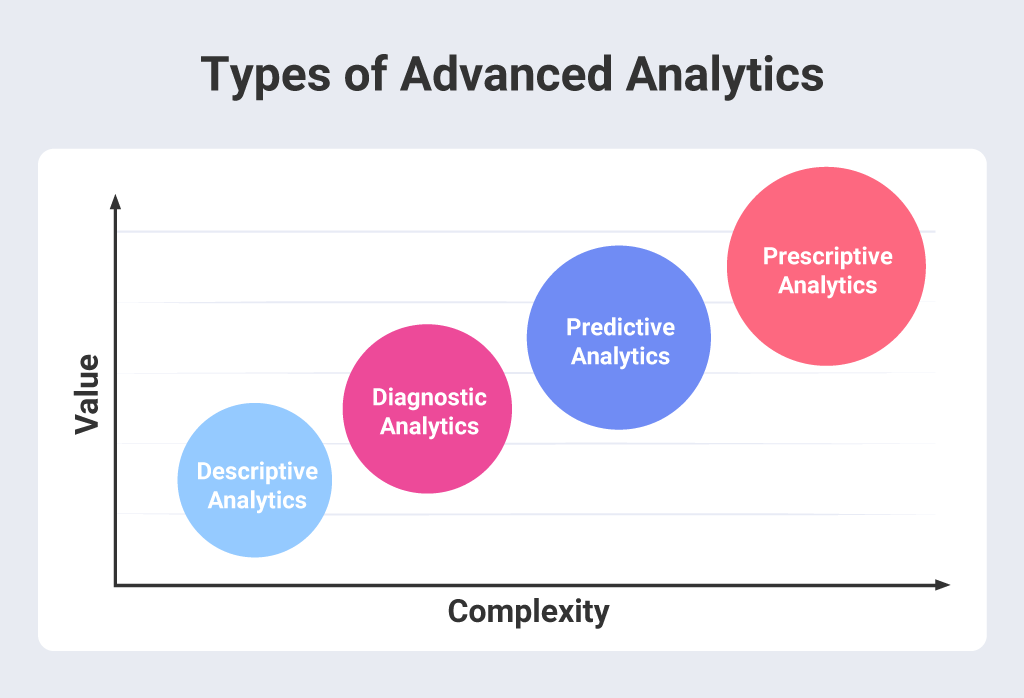
Advanced analytics provides actionable insights that empower decision-makers across diverse sectors. By utilising techniques such as predictive analytics and machine learning, organisations can transform raw data into vital information for making strategic decisions. For instance, companies that analyse customer behavior with advanced analytics can tailor their services, which enhances customer satisfaction and increases retention rates by 5-10%.

This approach also facilitates real-time data analysis, allowing organisations to respond swiftly to market changes. When decision-makers are equipped with timely information, they can promptly adjust their strategies to maintain a competitive edge. A practical example is businesses that incorporate real-time analytics into supply chain management, enabling them to optimise inventory levels and reduce costs by up to 20%.

Furthermore, predictive analytics plays a significant role in trend forecasting based on historical data. This capability improves strategic planning and risk management, enabling organisations to better prepare for market shifts. Companies that leverage predictive analytics have reported a 15-20% increase in forecast accuracy, which contributes to more effective budgeting and resource allocation.

In conclusion, integrating advanced analytics into decision-making processes significantly enhances operational efficiency and effectiveness. As more organisations recognise these benefits, the demand for advanced analytics solutions is likely to rise, promoting an increasingly data-driven environment.

Next, consider how these decision-making improvements can be further supported by automating data processes to streamline workflows and maximise efficiency.

Automation of Data Processes

Advanced analytics provides a crucial advantage for organisations by automating data processes. This shift reduces reliance on manual data analysis, which can be slow and error-prone. As a result, automation not only boosts efficiency but also improves the overall quality of data analysis.

With automated advanced analytics, teams can spend less time on data gathering and cleaning. This allows them to concentrate on deriving insights faster, leading to quicker response times and a more agile decision-making process. Consequently, organisations can take strategic actions based on trustworthy data.

Additionally, automation significantly minimises the risk of human error in data analysis. Manual approaches often introduce inaccuracies that can distort business insights and outcomes. By reducing these risks, automation accelerates the analysis process, enabling businesses to adapt swiftly to changing market conditions.

Furthermore, adopting automated advanced analytics can yield substantial cost savings. By streamlining data processes, organisations can reduce the need for large teams dedicated to data entry and initial analysis. This optimisation enhances resource allocation and improves financial performance. Notably, automation technology is scalable, allowing organisations to expand without significantly increasing operational costs.

In summary, automating data processes is transformative for businesses leveraging advanced analytics. As the demand for data-driven insights rises, the efficiency and accuracy gained from automation will become indispensable. The integration of artificial intelligence with advanced analytics will further strengthen these capabilities, paving the way for enhanced data operations.

3. Integration of AI with Advanced Analytics

As businesses recognise the value of advanced analytics, the integration of artificial intelligence (AI) into these tools has become essential. AI enhances advanced analytics by enabling organisations to process and analyse large data sets more efficiently. This AI-driven approach allows for the identification of hidden patterns and trends that traditional methods often overlook, ultimately empowering leaders to make informed decisions.

Moreover, with machine learning algorithms, organisations can continuously adjust their models as new data emerges. This adaptability not only provides valuable insights to guide business strategy but also enhances operational efficiency and improves forecasting accuracy. Such capabilities help companies allocate resources effectively and respond proactively to market changes.

Leading this transformative effort is Onyx Data, which specialises in the integration of AI to empower businesses. By addressing the skills gap, Onyx Data equips teams with the necessary tools and training to leverage advanced analytics in conjunction with AI. This synergy enables organisations to thrive in a data-driven environment, where extracting insights swiftly and accurately is crucial for success.

As AI technology advances, its role in advanced analytics will only expand. We can expect improvements in real-time data processing, enhanced interaction through natural language processing, and automated reporting. The combination of AI and advanced analytics will streamline workflows and democratise insights, making analytics accessible to all levels of employees, from executives to entry-level staff.

In summary, integrating AI with advanced analytics is revolutionising how organisations operate, providing deeper insights, fostering innovation, and facilitating quicker decision-making. As we progress into a data-centric future, the relationship between AI and advanced analytics will significantly influence the business landscape, leading to smarter and more effective strategies.

This emphasis on automation and AI integration creates the foundation for the scalability and flexibility that advanced analytics offers, ensuring that businesses can adapt seamlessly in an ever-changing market.

4. Scalability and Flexibility

In today’s fast-changing business landscape, scalable data systems are essential for success. Advanced analytics solutions are designed to grow alongside your organisation, allowing businesses to adapt their analytical frameworks to evolving data needs. This flexibility maximises their capacity to manage increasing data volumes while maintaining a competitive edge.

One significant advantage of scalable analytics is the ability to customise solutions. Many businesses require tailored approaches, and advanced analytics provides that flexibility. Companies partnering with Onyx Data, for example, benefit from customised services that cater to their specific operational demands. This approach not only enhances data analysis but also ensures alignment with overall business goals.

As data volumes continue to surge, the need for adaptable analytics becomes even more critical. Organisations must evolve their analytics capabilities to extract deeper insights and make timely decisions. Advanced analytics facilitates seamless adjustments in methodologies, enabling companies to continually derive value from their data, regardless of its size and complexity.

A scalable analytics framework also fosters innovation. With the rapid emergence of new technologies and data sources, organisations that utilise flexible analytics systems can integrate advancements without overhauling existing infrastructure. This adaptability streamlines operations and supports long-term strategic growth, empowering businesses to explore new data strategies effectively.

Finally, to fully benefit from advanced analytics, organisations must address the skills gap in data analytics. This gap can prevent companies from fully leveraging advanced analytics, thereby limiting their potential to meet various operational needs.

5. Addressing the Skills Gap in Data Analytics

As organisations embrace advanced analytics, they often encounter a significant skills gap. Many find it challenging to recruit professionals capable of effectively utilising advanced analytical methods. To address this, tailored training programs become essential for data teams striving to succeed in this evolving landscape.

Onyx Data offers specialised training in advanced analytics, which equips analysts and data scientists with the necessary skills. By blending practical experience with theoretical knowledge, these programs empower teams to effectively leverage cutting-edge tools like Power BI and other advanced platforms.

Training on these powerful tools enhances organisations’ analytics capabilities and fosters a data-driven decision-making culture. Studies indicate that companies with well-skilled analytics teams are 65% more likely to prioritise data-driven strategies. Consequently, well-trained personnel significantly boost the effectiveness of data analytics initiatives, translating into improved insights and better business outcomes.

Furthermore, bridging the skills gap requires a commitment to continuous learning. Organisations that invest in upskilling their workforce often see increased employee retention and satisfaction, both of which are critical for maintaining a competitive edge in today’s data-centric environment.

Conclusion

Advanced analytics plays a vital role in shaping the future of data. It enhances decision-making, automates processes, and integrates AI, all while addressing the skills gap that many organisations face. This powerful tool enables businesses to derive actionable insights and drive growth in our increasingly data-driven world.

Now is the perfect time to embrace advanced analytics. Whether you are a business leader, data professional, or simply interested in this field, incorporating these strategies into your operations can set you apart from the competition. Seize the moment and gain a competitive advantage by harnessing the potential of advanced analytics.

By implementing advanced analytics, you position your organisation not just to keep up, but to lead. Embrace these insights to transform your operations and stimulate innovation. The future of data is already here, offering immense opportunities for those willing to adapt and evolve.

About Onyx Data

Onyx Data specialises in consulting services and training that focus on advanced data analytics and AI integration, leveraging Microsoft technologies like Power BI and Microsoft Fabric to deliver measurable outcomes.

Empowering businesses to transform their data into actionable insights allows for enhanced performance and better decision-making across various industries. Discover how Onyx Data can transform your data strategy today!

Challenges in Data Management – Overcoming Common Hurdles

Challenges in Data Management – Overcoming Common Hurdles

Data Management
Data silos
cloud solutions
Data cloud platforms
Data solutions
Advanced Analytics

Managing data effectively is a key challenge for today’s businesses. “Challenges in Data Management: Overcoming Common Hurdles” provides insights on addressing these obstacles directly.

Data silos, where information is confined to separate systems, complicate efforts for integrated insights. The integration of various data sources can halt progress and innovation. Ensuring high data quality is essential for reliable insights and organisational integrity, yet building effective governance is a struggle for many companies.

While cloud solutions make data scalability easier, balancing it with cost-efficiency is tricky. With data breaches being common, securing data demands steadfast protection. To fully leverage data, organisations need advanced analytics for actionable insights that inform smart decisions. Explore these challenges and strategies to improve data management in your organisation.

Data Silos and Streamlining Integrations

In a world driven by data, isolated data silos create significant management challenges. A data silo appears when information is stored in a single department or system, making it hard to access and use across the organisation. These silos stop companies from fully using their data, causing inefficiencies and missed chances.

Data silos are common, with studies showing that up to 73% of organisations experience their negative impact on communication and data sharing. This challenge not only hinders collaboration between departments but also blocks the path to an integrated data management strategy.

Tackling data silos involves strategic solutions like cloud integration. Cloud platforms can break these barriers by centralising diverse data sources into one system. They offer scalability, flexibility, and real-time processing, allowing efficient data management across departments.

Onyx Data plays a key role in solving these integration challenges with Microsoft’s advanced tools, such as Power BI. Using Power BI, businesses can connect multiple data sources, transforming their data to ensure smooth and robust integration. This leads to better decision-making through detailed insights available on interactive dashboards and real-time analytics.

Overcoming data silos is essential for strong data quality and governance frameworks. A well-integrated system supports data integrity and consistency, ensuring that decisions are based on reliable data. As we move into discussing these frameworks, it’s clear how data silos affect quality and governance, guiding organisations in forming strategies to tackle these obstacles.

Data Quality and Governance Frameworks

In today’s data-driven world, ensuring high-quality data and effective governance is crucial for organisations. Poor data quality can lead to bad decisions and flawed strategies due to incorrect or incomplete data.

A strong data governance framework aligns with company goals and complies with regulations. Implementing data quality metrics, as Onyx Data does, helps maintain integrity and build stakeholder trust.

Effective frameworks involve governance policies and cross-department protocols for ongoing monitoring. Involving diverse teams brings multiple perspectives to shape comprehensive strategies.

Overcoming challenges—like syncing organisational goals with governance policies—is vital. Regular strategy reviews help maintain relevance in the fast-evolving digital space. Using best practices ensures data is reliable for decision-making.

As data management evolves towards scalability and cloud solutions, strong data governance remains essential. Emphasising quality and robust policies prepares organisations to leverage cloud flexibility, which we’ll discuss next.

Scalability and Cloud Solutions in Data Management

As organisations grow, so does their data. This increase can strain systems and impede business operations. Scalable data solutions are essential for staying competitive. Many find traditional infrastructures can’t meet the demand for data insights and computing power.

Cloud platforms provide scalable data storage and processing. They offer flexibility by enhancing resources as needed. Businesses using cloud solutions benefit from virtually unlimited storage, supporting efficient growth. Some enterprises have cut processing times by 50% with cloud adoption, showcasing effective on-demand scalability.

Scalability isn’t just about using cloud platforms; it requires agile governance. This allows businesses to adapt to changing data sizes while maintaining data integrity and operational efficiency. Agile governance enables continuous strategy improvements, aligned with cloud flexibility.

Companies like Airbnb and Netflix exemplify successful cloud scaling, processing vast data quickly, and enhancing decision-making.

Addressing scalability with cloud solutions improves efficiency and security. As we face new threats in “Ensuring Data Security Amid Growing Threats,” evaluating and strengthening scalable solutions is vital to protect against cyber threats.

Ensuring Data Security Amid Growing Threats

As more businesses move data to the cloud, data security is a top concern. 64% of companies fear cybersecurity attacks with cloud solutions. With cyber threats evolving, IT departments prioritise data protection globally. Here’s how organisations can secure their data effectively.

Use Strong Encryption and Authentication
Robust encryption is key to preventing data breaches. Encrypt data both at rest and in transit to shield sensitive information. Strong authentication, like multi-factor authentication (MFA), further protects against unauthorised access, strengthening security defenses.

Comply with PII Regulations
Protecting personally identifiable information (PII) is a legal and ethical requirement. Non-compliance with rules like GDPR can lead to fines and reputation damage. Adopt privacy measures like data anonymisation to protect PII. Regular compliance audits help identify and fix vulnerabilities.

Create Industry-Aligned Security Policies
Up-to-date security policies are crucial for safeguarding data. Align them with industry standards, such as ISO/IEC 27001, for best practices. Regular staff training fosters a culture of security awareness across the organisation.

With these measures, organisations can effectively protect their data and leverage it as a strategic asset, paving the way for advanced analytics and informed decision-making.

Transforming Data into Actionable Insights with Advanced Analytics

Today, businesses depend on advanced analytics to transform data into insights. With over 80% of companies using data for decision-making, this practice is essential for growth. Employing a comprehensive framework allows businesses to leverage their data effectively.

AI integration is crucial in this process. Companies like Onyx Data use AI to automate data handling, speeding up insight generation. AI not only reduces timeframes but also supports better decisions. This integration has improved performance by 35%.

Onyx Data empowers businesses with advanced tools to optimise data analytics, enhancing scalability and efficiency. By refining Machine Learning algorithms, processing speeds and accuracy can improve by 30%, aiding in effective decision-making.

Refining and securing data is key to these enhancements. As businesses grow more data-focused, securing data and maintaining integrity becomes vital. Onyx Data offers solutions aligned with modern security standards, ensuring data protection and reliability.

Advanced analytics opens up new competitive avenues for businesses, promoting clear, targeted growth. By adopting AI and ML, companies achieve faster, more accurate, and secure data analysis, leading them to the forefront of innovation.

Conclusion

Data management faces challenges like silos, quality control, scalability, security, and insight extraction. These challenges offer chances to improve how businesses manage and benefit from data.

To tackle data integration, an open and collaborative system is essential. Break silos with innovative technology and teamwork. Strong data governance and quality protocols help maintain data integrity and enable informed decisions.

Cloud solutions ease scalability issues, allowing businesses to grow efficiently. Security must be proactive, safeguarding every point of data access.

Data’s true value is in actionable insights. Deep analysis can elevate organisations to leaders in their fields. As the data world changes, consider: How will your organisation turn challenges into success?

About Onyx Data

Onyx Data is a leading consultancy specialising in advanced data analytics and AI integration, leveraging Microsoft technologies such as Power BI and Microsoft Fabric. We focus on transforming data into actionable insights, thereby empowering businesses to enhance their performance and decision-making capabilities. Our expertise lies in building scalable data systems and providing specialised training programs to bridge the AI skills gap for enterprises across various industries.

Unlock the full potential of your data today. Visit our website to learn more about our comprehensive consulting services and training programs designed to drive measurable business outcomes.

10 Best Practices for Using Power BI in Your Business Intelligence Strategy

10 Best Practices for Using Power BI in Your Business Intelligence Strategy

10 Best Practices for Using Power BI in Business Intelligence Strategy Power BI Best Practices business intelligence Power BI strategies Benefits of Business Intelligence Power BI Features of Business Intelligence Power BI Real-time analytics robust data strategy Optimising Business Intelligence Onyx Data Dashboard Design Report DesignYour Business Intelligence Strategy

Mastering business intelligence with Power BI is essential. Power BI effectively transforms raw data into actionable insights and strategic initiatives. Our guide, titled “10 Best Practices for Using Power BI in Your Business Intelligence Strategy,” offers invaluable tips to enhance your data approach and improve organisational insights.

The article explores vital Power BI strategies, focusing on navigating intuitive dashboards and leveraging robust data management features. It underscores the importance of creating designs that empower decision-makers. From crafting a focused data analytics strategy to utilising advanced tools like Microsoft Fabric, the guide serves as a roadmap to boost BI efficiency and effectiveness.

This comprehensive guide caters to both experienced data analysts and newcomers eager to harness Power BI’s potential. It covers significant areas worth exploring in your pursuit of excellence. Embark on a journey where business intelligence evolves from being merely functional to offering a strategic advantage, setting the stage for your business’s future success.

Introduction to Power BI

Power BI sets the standard in business intelligence tools by revolutionising data visualisation and enhancing strategic decision-making. As a Microsoft platform, it transforms raw data into interactive dashboards, enabling organisations to make informed decisions effectively.

Power BI stands out with its advanced data visualisation capabilities, which can give large organisations a competitive edge. Its seamless integration with data sources like SQL Server, Azure, and Excel allows companies to optimise their existing data infrastructures efficiently.

Integrating Power BI is crucial for any robust data strategy. By centralising data analysis, it empowers users to derive insights necessary for informed business decisions. This accessibility not only enhances individual decision-making but also fosters teamwork, allowing teams to collaboratively generate insights that support common objectives.

Organisations aiming to maximise their business intelligence with Power BI should prioritise best practices for its deployment, aiming for a high return on investment. Expanding from single dashboard use to a comprehensive analytics strategy enhances Power BI’s impact and maximises its analytic capabilities.

In the following section, we will explore strategies for developing a clear data analytics framework, ensuring successful integration and utilisation of Power BI for your business.

Build an Effective Business Intelligence Power BI Strategy

To unlock the full potential of Power BI, start by crafting a focused data analytics strategy that supports your business intelligence goals. This strategy is vital for enhancing operational efficiency by 20%. By aligning analytics initiatives with your business objectives, you foster cohesive, data-driven decision-making across the organisation.

Securing executive support is also imperative for smooth Power BI implementation. When leaders are actively involved, 50% of data-driven projects exceed expectations, boosting enthusiasm and adoption throughout the company. Develop a clear plan that demonstrates how analytics tie into business results to gain executive resources and approval.

Turning raw data into actionable insights begins with defining specific KPIs and objectives. Utilise SMART goals—Specific, Measurable, Attainable, Relevant, and Time-bound—to guide your analytics efforts. Clear objectives are crucial; without them, 70% of data integration projects may falter. By maintaining focus and accountability, your team can drive meaningful outcomes.

Once the strategic groundwork has been laid, mastering the features of Power BI is essential to reap its benefits. By leveraging its functionalities, you can efficiently extract insights and enhance strategic alignment. In the next section, we will explore Power BI’s innovative features, cementing its role as a pivotal tool in modern business intelligence.

Features and Benefits of Business Intelligence Power BI

Power BI plays a pivotal role in business intelligence by converting data into actionable insights. With its intuitive interface, users can effortlessly create detailed reports through simple drag-and-drop features, eliminating the need for advanced data skills and thereby enhancing productivity and efficiency.

One of Power BI’s significant advantages is its ability to integrate seamlessly with a variety of data sources, whether on-premises or cloud-based. Businesses gain a holistic view of their data by easily connecting to platforms such as SQL Server, Azure, and Excel.

Real-time analytics is another standout feature, allowing businesses to monitor operations in real-time. This immediacy enables swift responses to market changes, like how logistics companies can instantly optimise delivery routes, thereby boosting overall efficiency.

These capabilities highlight Power BI’s prowess in business intelligence, offering user-friendly operation, extensive data connectivity, and immediate analytics. This fosters well-informed decisions and strategic initiatives.

As we further explore using Power BI tools, implementing them becomes vital in crafting a robust data strategy. The following section will delve into how Onyx Data can assist you in seamlessly deploying Power BI, maximising its potential to harness insights across your organisation.

Optimising Business Intelligence with Power BI and Onyx Data

Incorporating Power BI into business intelligence enhances data-driven decision-making. Onyx Data provides expert consulting to align Power BI’s capabilities with strategic goals, ensuring decisions are insightful and timely. By transforming raw data into actionable insights, businesses can swiftly adapt to market changes.

Using Power BI, companies experience a 25% increase in decision-making speed and improved data processing, leading to a deeper understanding of consumer patterns and market trends. Onyx Data bridges AI skill gaps through custom Power BI training programs, equipping stakeholders with the necessary knowledge of data structures and tool features. This empowerment promotes insight-driven decisions, reducing reliance on external support and affording more control over data.

Onyx Data’s approach also impacts dashboard and report design and deployment. By emphasising layout, functionality, and user experience, Power BI seamlessly integrates to meet stakeholder needs, aligning with business objectives. These practices ensure that the powerful capabilities of Power BI are fully realised in enhancing business intelligence efforts.

Dashboard and Report Design Best Practices for Business Intelligence Power BI

Creating meaningful dashboards in Power BI is pivotal for businesses aiming to harness data-driven decision-making. By adhering to the following best practices, companies can maximise the effectiveness of their dashboards.

  1. Prioritise essential visuals. Incorporating too many visuals might seem helpful, but it often leads to clutter and confusion. It’s crucial to focus on visuals that support business objectives, ensuring the dashboard delivers key insights with clarity and purpose.

  2. Integrate interactive elements. Features like filters and drill-throughs offer users a personalised way to explore data. This functionality enhances engagement, making it easier to navigate and allowing users to concentrate on areas of specific interest for a more dynamic experience.

  3. Ensure clarity and brevity. Utilise straightforward, clearly labeled charts to communicate information effectively. Such clarity aids in quick comprehension, helping stakeholders to derive insights and take timely actions.

These practices facilitate the transformation from raw data to actionable insights, strengthening your Power BI strategy. Achieving simplicity without compromising on crucial information is key in any business intelligence endeavor.

In our next discussion, we’ll dive into data management and security within Power BI, exploring essential strategies to maintain data integrity in your business intelligence framework. Stay tuned to discover how to safeguard your sensitive business data effectively.

Mastering Data Management in Business Intelligence with Power BI

Efficient data management is crucial for a robust business intelligence strategy using Power BI. As the number of dashboards and reports increases, so does the potential for data risks and performance challenges. Implementing effective management practices ensures the security of insights and the protection of sensitive information.

One essential practice is the implementation of Row-Level Security. This feature limits data access, ensuring users can only view pertinent data. It simplifies permission management and bolsters the confidentiality of reports across the organisation. Another key aspect is optimising performance by selecting appropriate storage modes. Power BI allows you to choose between Import mode, which is ideal for fast querying of static data, and DirectQuery, best suited for large, real-time datasets. Making the right choice enhances report responsiveness and efficiency.

Regularly monitoring and updating data access further strengthens your data management strategy. Conducting routine audits helps identify and resolve vulnerabilities, while continuously updating protocols to match dynamic organisational needs fortifies security measures. Ultimately, prioritising secure data management empowers stakeholders with intuitive Power BI interfaces. This approach facilitates reliable insights, maximising the advantages of data-driven decisions in business intelligence.

Maximising Impact with Power BI’s User-Centric Approach

Power BI shines in the realm of business intelligence by transforming complex datasets into compelling visuals, thereby empowering stakeholders through its effective user-centered design. This innovative approach boosts engagement and nurtures a data-driven culture within businesses.

To create effective dashboards, understanding what stakeholders need is crucial. Engaging with them early through workshops or interviews provides insights into their desired metrics. For instance, finance teams may prioritise financial KPIs, while marketing teams focus on campaign metrics.

By customising dashboards for each department, organisations can enhance actionable insights. Power BI’s user-centric features, like drill-throughs, slicers, and bookmarks, enable interactive dashboards that allow users to explore data on their own.

This interactivity empowers stakeholders by allowing them to filter and visualise data, enabling more confident decision-making. Building a data-driven culture goes beyond technology alone. Promoting data use in everyday decision-making and offering training fosters data literacy, empowering stakeholders to interpret and utilise insights better.

Businesses that leverage Power BI’s user-focused design enhance their business intelligence capabilities, engaging stakeholders and transforming data into strategic advantages in a data-centric world.

Conclusion

Let’s review the major points from the 10 Best Practices for Using Power BI in Your Business Intelligence Strategy. Establishing a clear data analytics strategy is crucial for successful implementation. We’ve explored how Power BI’s dynamic features streamline data interpretation, making it essential in your business intelligence toolkit.

For seamless Power BI deployment, proper integration with Onyx Data is vital. Adhering to design best practices enhances both the usability and aesthetic appeal of dashboards and reports. We highlighted the importance of robust data management and security measures, along with empowering stakeholders through tailored designs.

Applying these practices can greatly enhance your business intelligence power bi efforts. Transitioning from chaotic data landscapes to clear insights is a continuous process. Leveraging these insights can drive actionable understanding and informed decision-making within your organisation. Implement these practices now to witness their transformative impact on your data insights.

About Onyx Data

Onyx Data specialises in empowering enterprises by transforming vast data collections into strategic insights and integrating cutting-edge AI through Microsoft technologies, including Power BI and Microsoft Fabric.

Recognising the immense power of advanced analytics, Onyx Data is dedicated to helping organisations achieve tangible outcomes, boost their decision-making capabilities, and navigate their data-driven transformation journey seamlessly.

Ready to elevate your business intelligence? Explore our solutions today and take the first step towards unlocking the full potential of your data!

Azure AI Foundry

Azure AI Foundry

Azure AI Foundry
Azure AI certifications
The Foundry
AI systems
Azure AI Studio
Software Development Kits
GenAI applications
Azure AI Search

Welcome to Azure AI Foundry, a groundbreaking solution that is reshaping the landscape of artificial intelligence. Tailored for innovators, it provides powerful tools such as Azure AI Studio and offers growth opportunities through Azure AI certifications. With so much on offer, what makes the Azure AI Foundry indispensable?

The Foundry presents vast prospects for businesses and developers, integrating seamlessly with state-of-the-art AI technologies, including partnerships with leaders like NVIDIA. As you embark on this journey, discover how the Azure AI Foundry can steer your AI projects, unleashing creative data use for substantial business advancements. With Onyx Data as a trusted partner, get ready for a pathway filled with innovation and efficiency.

Equipped with tracing and monitoring tools, alongside robust security measures, every component of the Azure AI Foundry is designed to enhance user experience and scalability. With Azure AI Search, experience advanced features that make retrieving information both efficient and insightful. Join us to explore the wonderous possibilities of Azure AI Foundry and transform your AI dreams into reality.

Exploring Azure AI

Azure AI is Microsoft’s innovative platform designed to transform AI development for everyone, ranging from specialists to everyday developers. It consolidates AI systems and tools, simplifying how businesses integrate AI into their operations. This results in the consistent application of AI solutions across an organisation, creating a dynamic and cohesive AI ecosystem.

The platform excels in its seamless integration with popular development tools, enabling developers to incorporate AI features into existing systems effortlessly. This is particularly beneficial for businesses already using Azure services, as it reduces the need to master new AI technologies.

Moreover, Azure AI fosters collaboration among diverse teams working on AI projects. Through easy sharing of best practices, code, and methodologies, it speeds up AI solution development and implementation. This collaborative approach ensures companies maximise their AI investments while enhancing teamwork, emphasising Azure AI’s pivotal role in advancing the AI industry.

A key component of the platform is Azure AI Studio, highlighting Microsoft’s dedication to comprehensive AI environments. This tool empowers organisations to build, test, and deploy AI models effectively, increasing their capability to deliver precise and efficient AI solutions. The features of Azure AI Studio are crucial for companies aiming to optimise their AI projects and advance their technological expertise. Through these innovative tools, businesses can stay ahead in the rapidly evolving world of AI, showcasing the undeniable impact of Azure AI and Azure AI Studio on modern developments.

Key Features of Azure AI Studio

Azure AI Studio is the central hub for creating and deploying AI applications. Building on Azure AI Foundry’s solid base, it offers data scientists and developers a seamless experience. With a user-friendly interface, it provides advanced AI tools that make managing AI solutions more accessible.

Designed to support generative AI applications, Azure AI Studio fosters innovation. It offers a robust machine learning infrastructure, allowing developers to focus on creativity rather than complexities, further contributing to the rapid advancement in technology.

Central to Azure AI Studio is its accessibility to advanced AI features. Integrated Software Development Kits (SDKs) help developers at all levels access sophisticated AI tools, thus democratising technology.

This platform combines various AI functions, making data preparation and deployment efficient and precise. This integration helps businesses enhance operations through practical AI solutions for real-world applications.

Tracking and monitoring capabilities, explained in “Tracing and Monitoring with Azure AI Foundry,” ensure reliability in complex environments, adding a layer of manageability.

Tracing and Monitoring with Azure AI Foundry

Maximising AI’s potential involves robust tracing and monitoring to ensure smooth operations. Azure AI Foundry offers powerful tools designed to provide continuous oversight of GenAI applications, enabling businesses to navigate complex environments effectively.

Enhancing tracing capabilities begins with continuous monitoring. By utilising trace data, users can maintain a real-time view of AI applications, making it easier to identify and resolve issues early. This proactive approach enhances the reliability and performance of AI systems. Furthermore, integrating with Azure Monitor offers in-depth insights, as Azure AI Foundry seamlessly collects data into a unified view. This synergy provides critical insights into application performance, crucial for maintaining high service standards.

Additionally, Azure AI allows for the customisation of metrics, allowing businesses to track metrics tailored to their specific needs. This adaptability ensures precise performance evaluations, effectively meeting enterprise monitoring requirements. Azure AI Foundry’s focus on thorough monitoring, bolstered by Azure’s robust security measures, significantly enhances the resilience and effectiveness of AI solutions.

Security and Management Enhancements in Azure AI

Azure AI Studio now provides powerful tools for enhanced resource management and robust security, making AI operations more streamlined. The introduction of the new management center is a pivotal update, offering centralised control that’s vital for managing large-scale deployments. This centralised view aids in strategic planning by reducing wastage and applying consistent standards across projects.

Security is equally prioritised with the latest enhancements in Azure AI Foundry. Granular access control, such as selective IP addressing, allows precise management of access, bolstering network security in industries requiring stringent protocols like finance and healthcare. This meticulous control ensures compliance with industry standards while enhancing security.

Integration of the Azure AI Admin Role further fortifies the system by merging security with AI management. This role is designed to detect potential risks proactively, enabling efficient, forward-thinking security management. As a result, operational efficiency is heightened through streamlined security processes.

These significant advancements form a foundation suitable for future innovations, particularly with partnerships like NVIDIA, which promise to elevate processing power and capabilities within Azure AI. Such developments illustrate the growing synergy between robust security measures and efficient resource administration, marking a promising evolution in Azure AI solutions.

Integration of NVIDIA AI with Azure AI

NVIDIA AI technologies, seamlessly integrated into Azure AI, are revolutionising the artificial intelligence landscape. Through the NVIDIA AI Foundry service, enterprises and startups benefit from enhanced computational power and scalability, meeting the expanding demands of modern business.

By leveraging NVIDIA’s advanced AI models and the DGX Cloud, businesses can maximise deep learning efficiency. This integration is adaptable, easily accommodating shifting workloads and evolving needs. Partnerships with industry leaders such as SAP and Amdocs highlight the widespread applicability of these solutions, driving innovation across various sectors.

NVIDIA’s prowess in generative AI enriches creative endeavors in entertainment and healthcare. Azure AI Studio serves as a platform for developing tailored content and predictive models, redefining how industries perceive AI applications. Furthermore, NVIDIA AI’s presence in the Azure Marketplace makes it an innovation hub, providing developers with ready-to-use AI modules. This streamlining accelerates AI deployment, enhancing usability for developers worldwide.

As we observe Onyx Data’s application of Azure AI for business enhancement, it’s clear that the integration of NVIDIA AI into Azure AI is reshaping the computation landscape. This collaboration opens new avenues for innovation and optimization, offering potent tools for business success.

Onyx Data: Amplifying Business with Azure AI

In today’s digital era, Onyx Data emerges as a trailblazer by harnessing Azure AI for business transformation. As AI technologies advance, Onyx Data excels in leveraging Azure AI to bridge knowledge gaps, offering innovative solutions tailored to diverse industries. Their proficiency in Microsoft technologies ensures the entire Azure ecosystem is optimized, boosting decision-making with robust data analysis.

A vital component of Onyx Data’s approach is its focus on mitigating the industry’s AI skills gap. They offer customized training through Azure AI certifications to equip organizations with crucial AI skills. This not only addresses the escalating need for AI knowledge but also enhances productivity by integrating intelligent solutions into business workflows. Consequently, an upskilled workforce is empowered to make more precise, data-driven decisions.

Onyx Data exemplifies the transformative power of Azure AI by utilizing tools like Power BI for data analytics. These tools provide accurate market and consumer insights that elevate operational efficiencies and foster substantial client value, propelling business growth. By turning raw data into actionable insights, Onyx Data aids strategic decision-making, facilitating streamlined processes across sectors and promoting operational excellence.

Azure AI’s seamless integration enhances collaboration, keeping enterprises competitive. Onyx Data’s forward momentum is evident as they continually explore new capabilities in Azure AI, particularly Azure AI Search. Their steadfast commitment to innovation underscores AI’s potential to drive business growth and transformation.

Innovations in Azure AI Search

Microsoft’s Azure AI Search stands at the cutting edge of search technology with its Enhanced Retrieval-Augmented Generation (RAG) capabilities. These advancements streamline search efficiency and relevance through advanced AI methodologies, offering users a transformative search experience.

A central feature is the generative query engine, ensuring precise and customized search results. Leveraging the algorithms of Azure AI, this engine anticipates user intent to provide more pertinent answers, thereby enhancing user satisfaction and performance.

The platform also excels with its advanced semantic ranking features. By prioritizing search results based on the semantic relevance of search terms, Azure AI Search focuses on user intent rather than simple keyword matches. This shift improves the quality and relevance of search outcomes.

Azure AI Search’s innovations have practical implications across multiple industries. Organizations can employ these tools to enhance customer service by retrieving information swiftly and accurately, improving support interactions. In knowledge retrieval, companies benefit from streamlined data collection, which aids informed decision-making and optimizes workflows.

By incorporating features like these, Azure AI Search reinforces its leadership in AI-driven search. Enterprises gain tools to advance operational capabilities and unlock significant value, enhancing their competitive position in today’s digital landscape.

Conclusion

Azure AI provides businesses with innovative ways to leverage artificial intelligence. With its user-friendly and robust Azure AI Studio, the platform is well-integrated with leading technologies like NVIDIA AI. This integration, combined with advanced monitoring and security tools, offers peace of mind while the interactive tracing tools provide valuable analytical insights. As shown by Onyx Data’s achievements, Azure AI can significantly transform businesses by optimising data operations.

As AI reshapes the tech landscape, Azure AI’s tools are increasingly accessible. Exploring Azure AI certifications or the expanding features of Azure AI search can enhance innovation and efficiency in real-world applications. These resources are designed to empower users with practical, state-of-the-art solutions.

The time is ripe to apply these insights and commence your AI journey. Dive into Azure AI Foundry, explore its wide-ranging features, and experience firsthand how this cutting-edge platform can redefine your business strategies. With Azure AI, businesses are poised for transformational growth. Embrace the future of intelligent technology to unlock unprecedented potential.

About Onyx Data

Onyx Data specialises in delivering expert consulting services and comprehensive training in advanced data analytics and AI integration, leveraging Microsoft technologies like Power BI and Microsoft Fabric to drive transformation and innovation for businesses.

In the dynamic digital landscape, our services matter because they empower organisations to convert complex data into actionable insights that can significantly enhance performance and streamline decision-making processes.

Ready to transform your data and drive business success? Visit Onyx Data now to discover how we can bridge the AI skills gap within your enterprise.

Microsoft Copilot for data

Microsoft Copilot for data

Microsoft Copilot for data
Microsoft Copilot Studio
Copilot Studio Microsoft
Onyx Data Solutions
Microsoft Copilot Studio Pricing
Microsoft Copilot Studio Licensing
Copilot Prompt Box

In data analytics, utilising advanced tools is crucial. “Microsoft Copilot” stands out by effectively tapping into the power of AI. It masterfully combines sophisticated AI capabilities with actionable insights, enhancing data management while simplifying the decision-making process.

Whether you’re exploring “Microsoft Copilot Studio pricing” or curious about how “Copilot Studio Microsoft” integrates with platforms like Excel, this guide serves as your go-to resource. We delve into its collaboration with Onyx Data Solutions and its impressive ability to uncover significant data insights seamlessly. This information is valuable not only for experts but also for anyone looking to elevate their data strategies through AI-enhanced tools.

Learn how “Microsoft Copilot AI” fosters productivity with its distinctive features, while also promoting responsible use through clear, understandable limits. Whether you’re contemplating its application for personal projects or considering its integration at the enterprise level, this guide provides all the essential insights to make informed choices. Begin your journey towards unmatched data-driven efficiency today.

Overview of Microsoft Copilot for Data Analytics

Microsoft Copilot AI is transforming data analytics by embedding an AI assistant directly into workflows. This tool enhances human capabilities, increasing both accuracy and efficiency across diverse data-related tasks. By effortlessly converting complex datasets into simple and clear visuals, Microsoft Copilot streamlines data visualisation. This advancement allows professionals to derive insights more quickly and accurately, significantly reducing the time and effort needed for manual data analysis.

Seamlessly integrated with Microsoft tools such as Power BI and Fabric, Microsoft Copilot AI advances collaboration. Within Power BI, Copilot makes suggestions for dashboards and crafts compelling data narratives to showcase emerging trends. In the context of Fabric, it excels in predictive analytics, providing valuable foresight into potential business challenges and opportunities. This integration guarantees continual access to valuable insights in a cohesive manner.

Beyond enhancing productivity and refining user experiences, Microsoft Copilot positions itself as a pivotal player in data analytics. By fully harnessing the power of AI, it transcends the role of a mere tool, marking a significant leap forward in the field. Microsoft Copilot not only augments analytics but is poised to redefine the way data is interpreted and utilised.

Harnessing Productivity with Microsoft Copilot

In the fast-paced world of business, making effective use of data is essential. Microsoft Copilot emerges as a key asset, enhancing productivity with its advanced AI capabilities. By providing real-time code completions and AI-driven insights, it is reshaping how data analytics are approached, offering both detail-oriented precision and efficiency.

Copilot improves efficiency by leveraging machine learning models to tackle complex data tasks. It empowers teams by supplying AI suggestions and auto-completions, allowing data analysts to focus on crafting innovative solutions instead of being bogged down by repetitive tasks. This efficiency boost also extends to seamless integration with existing systems. Copilot enhances data preparation and modeling, while its compatibility with platforms like Microsoft Fabric streamlines analytics across workflows, promoting organisational agility.

Many organisations report quicker data preparation and more precise modeling, thanks to Copilot’s AI. As a result, they experience enriched data narratives and insights. Understanding Microsoft Copilot Studio pricing becomes vital for businesses investing in this transformative technology, ensuring they are prepared to capitalise on its capabilities effectively.

Microsoft Copilot Studio: Pricing and Licensing Guide

In today’s fast-paced business environment, gaining easy access to AI-driven insights is crucial. Microsoft Copilot Studio seamlessly integrates AI into your workflow, offering flexible pricing options that suit the needs of both small businesses and larger corporations. This adaptability ensures that small-to-medium enterprises can find affordable solutions, while bigger firms benefit from scalability.

The tiered pricing structure allows companies to boost their AI capabilities without incurring substantial costs. This approach not only encourages greater engagement but also stimulates innovation by unlocking insightful data analytics.

Microsoft provides comprehensive resources for enterprises looking to incorporate Copilot Studio into their AI toolset. From guided documentation to dedicated support, businesses can effortlessly transition and fully utilise Copilot’s advanced features.

Effectively harnessing Microsoft Copilot Studio’s pricing provides organisations with a competitive edge by transforming raw data into actionable insights. In the next section, we will discuss how Copilot in Excel can further enhance analytics for businesses.

Microsoft Copilot: Excel’s AI-Driven Data Insights

Microsoft Copilot in Excel revolutionises data analysis by leveraging artificial intelligence to transform raw numbers into meaningful insights. This tool is indispensable for users aiming to make informed decisions based on precise analytics within the Microsoft 365 suite.

  1. Insight Discovery Excel’s Copilot offers an intuitive interface that simplifies navigating complex datasets, helping users uncover patterns and insights. By identifying trends, correlations, and outliers, it becomes a critical asset for strategic planning.

  2. Using Copilot’s Prompt Box With Copilot, users can input questions using everyday language. Posing queries about calculating averages or identifying growth rates is straightforward, as Copilot’s algorithms deliver fast, accurate responses, enhancing decision-making processes.

  3. Real-World Application Consider a sales manager utilising Copilot to pinpoint peak sales periods or identify lagging areas, effectively optimising resources. Such practical examples highlight how Copilot delivers invaluable insights and boosts business performance.

Exploring Copilot’s integration with systems like Onyx Data creates a streamlined data process, unlocking even greater potential and efficiency. The following section will delve deeper into how this synergy further enhances Copilot’s utility.

Enhancing Microsoft Copilot with Onyx Data Solutions

Microsoft Copilot’s AI capabilities receive a remarkable boost through integration with Onyx Data Solutions. As a leader in Microsoft technology consulting, Onyx Data provides the expertise businesses need to fully harness Copilot’s AI analytics, transforming raw data into meaningful, actionable insights.

Going beyond consulting, Onyx Data offers specialised training programs aimed at closing AI skill gaps within organisations. These programs leverage Microsoft Copilot AI to prepare teams for thriving in an AI-driven marketplace, empowering them to develop data-informed strategies seamlessly.

Microsoft Copilot is revolutionising industries such as healthcare and finance by converting complex information into easily understandable insights. With the support of Onyx Data Solutions, businesses can enhance growth strategies and boost customer engagement, making it easier to outpace the competition.

The synergy between Onyx Data and Microsoft Copilot transforms raw data into crucial market intelligence, giving organisations a competitive edge. As they leverage this powerful integration, businesses should remain mindful of ethical considerations and limitations, ensuring their AI operations uphold the highest standards.

Microsoft Copilot: Balancing Power and Responsibility

Incorporating Microsoft Copilot into your business strategies entails not only leveraging its capabilities but also ensuring responsible usage. Employing Microsoft Copilot AI in a manner that aligns with ethical guidelines establishes a sustainable approach, essential for maintaining stakeholder trust.

Designed to meet ethical standards, Microsoft Copilot empowers businesses by offering AI solutions that boost efficiency without sacrificing integrity. However, it’s vital to recognise the boundaries of its application. Challenges such as data handling and privacy necessitate a cautious approach, highlighting the importance of securing stakeholder trust throughout the AI lifecycle. Microsoft prioritises privacy and compliance by embedding protective measures to secure user data comprehensively.

To seamlessly integrate Copilot AI into your operations, understanding its benefits and limitations is key. This balance ensures productivity gains do not come at the cost of ethical standards or privacy concerns. For Onyx Data Solutions, embracing Microsoft Copilot involves a firm commitment to responsible AI principles. By marrying innovation with ethical values, organisations can fully realise Copilot’s potential.

Conclusion

Microsoft Copilot is redefining data analytics by offering intuitive tools that simplify the extraction of valuable insights. This transformation is crucial for modern data tasks, providing significant productivity boosts alongside seamless integration with Onyx Data Solutions. As a result, Microsoft Copilot has become an indispensable asset for anyone dealing with data.

The Microsoft Copilot Studio pricing offers a range of options catering to individuals and enterprises alike, ensuring affordability and accessibility. Whether you are utilising Copilot in Excel or fostering responsible use of AI, Microsoft Copilot delivers an AI-driven solution that markedly enhances analytical efficiency.

As you look to the future, consider applying the insights shared here today. Unleash the potential of Microsoft Copilot AI and see how it can align with and support your strategic goals. Integrating Microsoft Copilot into your workflow significantly enhances the precision and speed of data analysis.

Embracing these technological advancements not only sharpens your data handling skills but also provides a competitive edge in today’s data-driven world. Seize this opportunity to transform your data insights with confidence!

About Onyx Data

Onyx Data is your strategic partner for cutting-edge consulting services and training, focused on harnessing the power of advanced data analytics and AI, with a special emphasis on Microsoft technologies like Power BI and Microsoft Fabric.

In an era where data drives decision-making, Onyx Data’s expertise matters by turning complex data sets into transformative insights, thus empowering businesses to significantly enhance their performance and operational efficiency.

Ready to unlock your data’s potential and elevate your business? Engage with Onyx Data today to start your journey towards smarter, data-driven decision-making.

Top 10 Reasons Why Business Intelligence is Crucial in 2024

Top 10 Reasons Why Business Intelligence is Crucial in 2024

Top 10 Reasons Why Business IntelBusiness Intelligence
data-driven insights
mobile BI tools
Augmented Analytics in BI
machine learning
data governance
self-service BI
Onyx Data Advanced Analytics
AI Integrationligence is Crucial in 2024

In today’s digital world, integrating Business Intelligence (BI) isn’t optional; it’s essential for businesses in 2024. BI isn’t just for decision-making anymore; it’s a key to staying competitive. Let’s explore the top 10 reasons why BI is vital this year, aiding businesses to adapt, succeed, and lead with informed decisions.

Imagine data-driven insights predicting market shifts and AI-enhanced analytics revealing consumer preferences. Companies are rapidly adopting these advanced tools to improve BI, resulting in better forecasts and decision-making. Cloud solutions make accessing these insights fast and scalable, meeting modern business demands.

With BI, complex data stories become understandable for everyone, and mobile BI tools provide real-time access to data. In 2024, BI is changing the business landscape. Explore its importance and learn how these insights can drive your business towards remarkable growth.

1. Improving Decisions with Business Intelligence

In today’s market, quick, informed decisions are key. Business intelligence (BI) tools enable this by offering crucial data insights. In 2024, BI adoption is vital for filtering data and gaining actionable insights that shape business strategies effectively.

BI equips decision-makers with dashboards that spotlight trends, helping businesses forecast industry changes and adapt quickly. Companies using BI tools can spot consumer behavior patterns, tailor offerings, and enhance customer satisfaction, boosting retention.

Predictive analytics in BI goes further by using historical data to anticipate future outcomes, aiding strategic decisions. For example, fashion retailers predict seasonal trends from past sales data, refining inventory and marketing.

BI simplifies data interpretation and opens access organisation-wide. This broad data access ensures collaborative, informed decisions across departments, promoting data-driven growth.

Next up in BI’s evolution is augmented analytics—AI merging with BI for deeper insights. The following section explores how this fusion is reshaping BI, leading to smarter, automated decision-making.

2. Augmented Analytics in BI

In 2024, businesses will face an overwhelming amount of data. Augmented analytics simplifies business intelligence (BI) by using AI to automate data analysis and generate insights. This streamlines traditionally complex BI tasks. With machine learning and natural language processing, it helps organisations make quicker and more reliable decisions.

As businesses produce large amounts of data daily, augmented analytics supports real-time analysis. It suggests insights and guides users through complex questions, requiring no advanced technical skills. This democratises data access, enabling swift action and maintaining competitiveness.

Unlike traditional BI that relies on past data, augmented analytics examines structured and unstructured data, offering diverse problem-solving capabilities. In competitive sectors like finance, it helps identify trends and disruptions early. By analysing patterns, it anticipates consumer behavior, allowing personalisation of strategies.

Rapid insights become crucial as businesses strive for efficiency and strategy improvement. Augmented analytics is essential for operational advances. Amidst these changes, prioritising data governance and security is vital. Merging innovation with security ensures insights are both high-quality and securely applied.

Data Governance and Security Essentials

Data’s value in business is undeniable, making governance and security critical. As companies use data insights for strategy, robust frameworks ensure integrity is maintained.

Data governance protects sensitive information amidst rising cyber threats. Strong policies in business intelligence (BI) systems prevent breaches and safeguard reputations. Security also embodies corporate responsibility and ethical practices.

Compliance with global regulations like GDPR and CCPA is crucial. Ethical governance helps avoid fines and builds trust. Currently, 70% of companies struggle with compliance, needing improvement.

BI solutions must integrate security features like encryption and multi-factor authentication. Advanced tools identify vulnerabilities, reducing incident response times by 30% with predictive analytics.

Automated compliance tools in BI are growing, streamlining processes and freeing up resources for innovation.

Next, we’ll examine how self-service BI tools empower users to drive a data-driven culture, enhancing governance efforts.

Empowering Users with Self-Service BI

Dive into the world of self-service business intelligence (BI), crucial for extracting value from data in 2024. These tools empower everyone, from executives to frontline employees, to independently analyse and visualise data, breaking traditional silos.

Self-service BI offers intuitive tools that simplify data interaction, requiring no deep technical knowledge. It reduces dependency on IT teams for reports, freeing them for strategic tasks. As a result, companies can make faster decisions using accurate insights when needed.

Beyond speedy decisions, self-service BI cultivates data-driven thinking. Employees make choices in line with organisational goals using visualisation tools to generate insights quickly. Companies see boosts in productivity and engagement, empowering employees.

This approach fosters innovation, integrating analytics to uncover trends. It sets the stage for advanced analytics and AI, which we’ll explore further.

Onyxdata.co.uk leads with solutions that ensure seamless integration and user-friendly experiences, aligning with current market needs for business success.

5. Onyx Data’s Advanced Analytics and AI Integration

In today’s fast-paced business world, advanced analytics and AI are essential. Onyx Data leads this transformation, offering solutions that help businesses gain insights efficiently. Our cutting-edge analytics create scalable systems necessary for managing vast data volumes.

Recognising the need for precision, Onyx Data provides custom AI solutions that align data with business goals. Our tools improve data collection and predictive analysis, turning raw data into actionable insights.

AI integration in business intelligence helps anticipate trends and drive data-based decisions. It automates processes and reveals hidden patterns, fostering growth through secure data management, essential in 2024.

Onyx Data customises solutions for varied industries, enabling businesses of all sizes to leverage data for competitive advantage. Our shift to advanced managerial tools supports sophisticated data storytelling, simplifying complex insights into engaging narratives for strategic alignment.

Transformative Power of Data Storytelling in BI

Data storytelling is vital in business intelligence. It turns data insights into relatable, actionable narratives, helping decision-makers. We process over 2.5 quintillion bytes of data daily, so understanding it is essential. Storytelling links insights into a clear story that informs crucial decisions.

A major benefit is how it simplifies complex data into intuitive visuals, accessible to everyone, from analysts to non-tech staff. This approach connects the dots, spots trends, and foresees outcomes without needing special training.

Firms using narrative BI focus on clarity and relevance, achieving goals 10% more effectively, according to the Top 10 Business Intelligence Trends And Innovations in 2024. This underscores storytelling’s role in aligning actions with strategy.

Moreover, narrative BI speeds up decisions, with 23% faster timelines. Companies gain quicker insights into obstacles and opportunities, adapting swiftly to changes.

Moving to cloud-based BI, this evolution ensures data becomes accessible and scalable for agile enterprises, enhancing data storytelling reach through cloud power.

7. Shift to Cloud-Based BI Solutions

In 2024, moving to cloud-based business intelligence (BI) is crucial for staying competitive. These solutions offer flexibility, scaling effortlessly to meet market demands and enabling quick management action without disruptions from traditional updates.

Cloud BI provides real-time data access, essential for quick decisions. It breaks down information silos, boosting team collaboration with shared, up-to-date data. This improves decision-making and business performance.

By 2024, 85% of organisations will adopt cloud-first BI, showing its unmatched speed and accessibility. With growing mobile use, cloud solutions meet the need for instant analytics, keeping companies agile.

Cloud BI improves operations and meets the demand for complex analytics, supporting advanced data features. This transition paves the way for future BI enhancements, like improved data visualisation, discussed next.

8. Advanced Data Visualisation Techniques

In 2024’s data-driven world, effective visualisation is key for understanding complex data. By turning vast datasets into clear visuals, businesses gain insights quicker, enabling better decision-making. Companies leveraging visualisation can process data 60% faster than those using older methods.

Interactive dashboards are now essential, offering simplified access to complex data. Users can explore data from various angles in real-time, which aids in timely decision-making. Utilising advanced dashboards boosts analytical efficiency by 40%, allowing for faster strategic shifts.

Dashboards do more than present data. They tell stories with visuals, showcasing trends and anomalies, leading to 15% better decision-making. This visualisation fosters clearer communication across all organisation levels and aids in crafting insightful narratives.

With cloud-based BI solutions on the rise, integrating advanced visuals scales up data use. This empowers everyone, not just data scientists, supporting agile decision-making. This democratisation benefits companies as they move to responsive models.

Next, we’ll explore how mobile BI and real-time data transform these advanced visual techniques, ensuring data-driven choices can be made anytime, anywhere.

9. Mobile BI and Real-Time Data Access

In 2024’s fast-paced business world, mobile BI is a key part of business intelligence strategies. It offers real-time data access anytime, anywhere, giving decision-makers crucial agility. With 75% of businesses adopting mobile BI to boost efficiency, its importance is clear.

The main benefit of mobile BI is its ability to provide real-time access to essential insights. As companies spread out, mobile devices help leaders and staff make quick, data-driven decisions. In retail, for instance, sales teams can swiftly alter strategies based on live data to boost local performance.

Mobile BI’s on-the-go analytics aid rapid decision-making, translating complex data into simple insights. This is vital for processes like supply chain management and customer service, where timely decisions improve satisfaction and revenue.

By integrating advanced data visualisation on phones and tablets, mobile BI simplifies daily tasks. As predictive analytics merge with mobile BI, businesses will anticipate trends and enhance strategic planning.

10. Benefits of Predictive Analytics

In today’s competitive market, predictive analytics in business intelligence is vital. Using historical data, it helps businesses forecast future trends, anticipate market demands, and strategically position for growth.

Predictive analytics boosts operational efficiency by analysing past performance to identify patterns and challenges. Companies can then refine strategies in advance, optimising supply chains, managing inventories, and personalising customer experiences for enhanced satisfaction and loyalty.

Firms employing predictive analytics improve their decision-making. Retailers see up to a 15% sales increase through better demand forecasting and inventory management. In finance, predictive models reduce risks in lending and investing, stabilising portfolios.

Machine learning is at the heart of predictive analytics, refining algorithms with new data. This adaptability keeps businesses agile, ensuring they respond to changing markets quickly and capitalise on opportunities.

For businesses seeking a competitive edge, predictive analytics bridges historical data with future success, enabling proactive strategies and unlocking growth potential. In a rapidly changing market, this approach is essential.

Conclusion

In 2024, business intelligence is crucial for decision-making and building competitive strength in a fast-changing market. Augmented analytics speeds up the data-driven decisions that are now essential.

Platforms like Onyx Data lead with AI to simplify complexities, while data governance ensures trust and security. From raw data, storytelling and visualisations create engaging and informative insights.

With cloud and mobile BI, accessing real-time data helps businesses innovate swiftly. Predictive analytics offers insight into future trends, supporting strategic foresight.

As business intelligence evolves, the discussion continues. Are we truly using these transformative tools to their fullest? Let’s embrace and advance the potential of BI for a data-focused future.

About Onyx Data

Onyx Data specialises in consulting and training services tailored to harness the power of advanced data analytics and AI integration through Microsoft technologies, including Power BI and Microsoft Fabric.

By transforming complex data into insightful, actionable outcomes, we empower businesses to enhance their performance and decision-making processes, making our services indispensable for enterprises across diverse industries.

Unlock the full potential of your data with our expert consulting and training solutions. Discover more about Onyx Data today.

8 Common Mistakes in Data Management and How to Avoid Them

8 Common Mistakes in Data Management and How to Avoid Them

8 Common Mistakes in Data Management and How to Avoid Them

In today’s digital business world, effective data management is crucial for success. Transforming raw data into insights gives you a competitive edge. But common errors in handling data can hinder progress. Avoiding these mistakes helps improve decision-making and efficiency.

Data management involves several challenges. Issues like ignoring data governance, creating data silos, or using poor-quality data limit meaningful insights. Failing to follow data privacy laws and not automating processes can lead to legal issues and inefficiencies. Recognising the importance of unstructured data and training employees ensures your team stays adept.

This post outlines eight common data management mistakes and offers strategies to avoid them. Understanding these challenges and solutions allows your organisation to maximise its data as a strategic growth and innovation tool.

Mistake 1: Ignoring Data Governance

Data governance is essential for managing data effectively. It provides the structure and rules to ensure data is available, useful, accurate, and secure in an organisation. Data governance establishes policies and processes that align with company goals and compliance needs.

Without a solid data governance framework, organisations risk data inconsistencies, errors, and security breaches. This absence of oversight results in disjointed systems, hindering innovation and decision-making. For instance, 83% of mature organisations report better data access with strong governance.

A common mistake is not assigning clear responsibility for enforcing governance protocols. Without centralised guidance, departments may create conflicting practices, disrupting data flow. As data grows, sporadic audits often uncover mismanagement and unclear accountability.

Onyx Data prioritises governance by using Microsoft’s advanced data management technologies. This ensures easy integration across various data environments, maintaining data quality and security. By adopting top-tier tools, Onyx Data aligns data assets with strategic goals and compliance standards. With 72% of businesses planning to boost spending on data governance, choosing the right solutions is key for maintaining competitiveness.

Neglecting data governance can also create data silos, which limit accessibility and integration. The next section will explore the impact of and strategies for managing data silos.

Mistake 2: Creating Data Silos

Data governance is essential, but one common mistake in data management is forming data silos. These isolated data batches hinder access and integration, leading to inefficiencies.

Data silos form when systems don’t connect, causing effort duplication, inconsistent data, and incomplete insights. These disrupt efficiency, misalign strategies, and limit response abilities that drive success.

Tackling data silos is critical. A unified data management system encourages data flow across departments, giving decision-makers easy access to complete data for better strategies.

Breaking down silos requires integrating systems. Scalable data solutions enhance data flow and access. Onyx Data is a key resource in preventing silos, promoting data fluidity, and ensuring departments use synchronised data effectively.

It’s also vital to align the unified data strategy with data privacy laws. The next section will explore ignoring privacy regulations and the impact on organisations.

Mistake 3: Ignoring Data Privacy Laws

In today’s data-driven world, following data privacy laws is crucial. Key regulations like the General Data Protection Regulation (GDPR) and the California Consumer Privacy Act (CCPA) set essential standards globally. These laws protect consumer data and enhance individual control over personal information. Ignoring these can lead to severe penalties and damage to reputation, as seen in many high-profile cases.

Compliance with these laws is vital for maintaining customer trust and ethical business practices. Many consumers prefer businesses that prioritise privacy. Therefore, it’s critical for organisations to include strict compliance measures in their data strategies.

Compliance solutions are available. Adopting best practices, such as those recommended by Onyx Data, can be beneficial. This includes regular audits, transparent data handling, and clear communication with consumers to help prevent privacy violations.

Training employees on data privacy laws and their implications is another important step. Viewing data privacy as part of the organisational culture rather than just a compliance issue can help fortify these measures.

Given the complex regulatory environment, ignoring data privacy laws is not an option. This concern naturally extends to ensuring data integrity, which, if compromised, can affect both operational efficiency and strategic decision-making. The next section will explore how poor-quality data impacts business operations.

Mistake 4: Using Poor-Quality Data

High-quality data is vital for success in data management. It must be accurate, complete, reliable, and relevant. Using quality data enhances operations, while poor data causes errors and bad decisions. Many organisations face high costs from ignoring data quality.

Improving data quality requires regular audits to catch and fix errors, ensuring precision and reliability. Standardising data entry helps reduce mistakes. Automated checks and validation rules further prevent human errors.

Onyx Data enhances data quality through Microsoft Fabric, ensuring accurate and timely data through advanced analytics and real-time processing. Their approach builds client confidence in decisions driven by data.

Data quality management isn’t a one-off task but a continuous strategy. This ongoing focus increases data utility, helping organisations remain competitive and adaptable. Prioritising quality reduces errors, boosts efficiency, and satisfies customers.

Furthermore, data must align with clear objectives. Defined goals provide purpose and direction, transforming raw data into valuable insights. Next, we’ll explore setting clear data objectives and their role in strategic decisions.

Mistake 5: Not Defining Clear Data Objectives

In data management, clear objectives are vital. Without them, organisations can quickly face chaos. Well-defined goals ensure data collection and analysis align with business strategies. Vague goals lead to inefficiencies and misinterpretations that can hinder growth.

Unclear objectives waste resources and result in scattered efforts. Imagine a business collecting vast customer data with no clear aim. This excess can cause analysis paralysis, blocking actionable insights. Clear objectives allow businesses to prioritise relevant data, streamline processes, and make better decisions.

Onyx Data emphasises strategic clarity by aligning data goals with key business aims and vital KPIs. An example goal is improving customer satisfaction through data insights. Focusing on such objectives helps gather relevant data and use effective tools for precise outcomes.

Avoid this pitfall by setting SMART objectives: specific, measurable, achievable, relevant, and time-bound. This method keeps data efforts focused and allows for the evaluation of management success. Regularly revisiting and refining objectives can enhance their effectiveness within changing business landscapes.

Defining clear data objectives is part of a comprehensive data strategy. As businesses leverage technology, automation of data processes is key. Without clear goals, automation may lack direction and impact.

Mistake 6: Failing to Automate Data Processes

Automation is crucial for efficient data management. Without it, manual processes can slow down operations, introduce errors, and compromise data quality.

Many organisations face bottlenecks with manual data handling, causing delays in analytics and integration. Sticking to outdated methods hinders competitiveness in the fast-moving big data sector.

Technology offers effective solutions to these challenges. Tools like ETL processes, data cataloging, and AI-driven analytics automate repetitive tasks. This shift enhances data processing speed and accuracy, allowing employees to focus on strategic roles.

At Onyx Data, we use advanced AI solutions to optimise data workflows. This automation improves data accessibility and quality, keeping us ahead in a competitive market.

As data expands in volume and complexity, automating data management is essential. It helps organisations stay agile and responsive to trends, making manual processes obsolete.

Next, in Mistake 7, we discuss another crucial issue: managing unstructured data. While automation boosts efficiency, addressing diverse data types ensures businesses maximise their data potential.

Mistake 7: Ignoring Unstructured Data

Businesses today face overwhelming amounts of data, with unstructured formats like social media posts, emails, reviews, videos, and images making up 80% of enterprise data. Many struggle to gain insights from this because it lacks a predefined model, crucial for staying competitive in a data-driven world.

Unstructured data doesn’t fit into traditional databases, posing challenges for businesses lacking necessary tools. Extracting sentiment from text or key visuals from videos requires technologies like natural language processing (NLP) and computer vision. Without these, crucial insights for decision-making are missed.

To tackle this, innovative tools like Apache Hadoop and ElasticSearch help manage large data volumes, while machine learning finds patterns and predictive insights. Companies like Onyx Data use these to transform unstructured data into valuable intelligence. By integrating advanced analysis tools, Onyx Data enhances decision-making and stays ahead.

This proactive strategy turns challenges into growth opportunities. As the data wave rises, investing in technology and talent is crucial. Companies overlooking employee training may struggle to keep up with new innovations.

Stay with us as we explore how investment in employee training empowers organisations to maximise their data management potential.

Mistake 8: Overlooking Employee Training

In the world of data management, neglecting employee training can be costly. As digital tools evolve, it’s vital for staff to be skilled in the latest data techniques to stay competitive and efficient.

Training keeps employees adept at navigating complex data systems and harnessing new technologies efficiently. It minimises errors, enhances accuracy, and boosts productivity. By prioritising training, companies enable their workforce to glean meaningful insights from massive data, aligning analysis with business goals.

Without adequate training, employees may misinterpret data, delay processes, and misuse costly tools, hindering data-driven decisions and innovation.

To combat these issues, Onyx Data offers customised training programs, designed to bridge employee knowledge gaps. These tailored courses prepare teams to handle their data effectively and responsibly, fostering a culture of continuous learning.

Investing in training is a step toward excellence. Businesses that invest in their employees see improved data quality and better strategic results, empowering staff and safeguarding against data management pitfalls.

Conclusion

Data management is always evolving, and it’s important to avoid common pitfalls. By addressing common issues, businesses can use data more efficiently. Data governance is crucial for ensuring data integrity and consistency, while breaking down data silos helps provide comprehensive insights for better decision-making.

Prioritising data privacy is essential for maintaining customer trust and complying with regulations. Focus on data quality to enable accurate analytics and strategic innovations. Clearly defined data goals and automated processes improve operational efficiency and align with business objectives.

With the rapid growth of unstructured data, recognising its value is vital to avoid missing opportunities. Training employees in effective data management equips them to work efficiently and gain a competitive advantage in today’s data-driven world.

Are you ready to enhance your data management strategies? Start by assessing your practices and identifying growth opportunities. Your next innovation might be just one insight away.

About Onyx Data

Onyx Data is your premier partner for consulting services and training in the realm of advanced data analytics and AI integration, specialising in Microsoft technologies like Power BI and Microsoft Fabric. We are dedicated to helping businesses transform complex data into clear, actionable insights.

Why does Onyx Data matter? In today’s data-driven world, staying competitive means not just understanding your data but leveraging it to drive strategic decisions. Onyx Data empowers enterprises to bridge the AI skills gap and optimise performance through scalable data systems and bespoke training solutions.

Ready to unlock your data’s potential? Visit Onyx Data to discover how we can help transform your business today!

5 Practical Tips for Effective Supply Chain Optimisation

5 Practical Tips for Effective Supply Chain Optimisation

5 Practical Tips for Effective Supply Chain Optimization
Supply Chain Optimisation advanced forecasting method supplier relationship blockchain JIT systems inventory system supply chain processes

Supply chain optimisation is crucial for efficient operations, reducing costs, and increasing competitiveness. As supply chains become more intricate, with changing consumer demands and unexpected disruptions, streamlining these processes is essential. With effective strategies and technology, businesses can turn supply chains into valuable assets.

Our guide, “5 Practical Tips for Effective Supply Chain Optimisation,” covers key strategies for resilient, agile supply chains. Implement advanced forecasting, use technology and automation, strengthen supplier relationships, and improve inventory management. Continuous process analysis is vital for both immediate improvements and long-term benefits. Whether addressing inefficiencies or aiming for excellence, these strategies can transform your supply chain and support sustainable growth.

Advanced Forecasting Methods in Supply Chain

Accurate demand prediction is key to optimising supply chains. Transitioning from traditional forecasting to advanced machine learning models enhances this ability. These technologies provide a more precise prediction of demand, crucial for effective supply chain management.

Advanced forecasting boosts prediction accuracy and aligns stakeholders. This alignment improves market understanding and avoids inefficiencies. Industry data shows companies using machine learning can reduce forecasting errors by up to 45%, strengthening supply chain resilience.

These techniques minimise overstock and stockouts, common issues that disrupt supply chains. A case study involves a consumer electronics company that improved inventory management by 25% using predictive analytics. This efficiency cut storage costs and ensured timely product availability, enhancing consumer trust.

As supply chains grow global and dynamic, data-driven forecasting becomes vital. Adopting these technologies sets organisations up to leverage technology and automation, crucial for streamlining operations and optimising supply chains further.

Leverage Technology and Automation

Optimising supply chains is crucial for success. Utilising technology and automation can greatly improve a supply chain’s efficiency. AI, IoT, and analytical platforms help companies excel. Here are strategies to transform your operations.

The Internet of Things (IoT) has revolutionised supply management, enabling real-time tracking and predictive analytics. An interconnected device network offers real-time updates on goods, reducing risks, delays, and ensuring timely delivery. Companies using IoT see significant gains.

Artificial Intelligence (AI) predicts patterns and refines processes, aiding in forecasting, route optimisation, and inventory management. This leads to cost savings and efficiency.

Data analysis platforms like Microsoft Power BI enable quick data visualisation and insights, enhancing decision-making and process efficiency.

Blockchain brings transparency with a secure ledger system, ensuring data security and visibility, reducing errors, and fostering consumer trust in products.

Technology aids critical supply chain components like inventory management. Discover more in our next section: Optimise Inventory Management.

Optimise Inventory Management

Effective inventory management is key to optimising your supply chain. By implementing Just-In-Time (JIT) systems, you maintain ideal inventory levels to meet orders precisely, reducing waste and overproduction. JIT fosters a smoother product movement, enhancing efficiency.

Advanced inventory software provides real-time stock visibility, automating orders to keep inventory at optimal levels, and cutting storage costs. It allows quick responses to market changes, preventing stockouts and overstock.

Partnering with dependable suppliers is crucial for minimising inventory costs through coordinated deliveries. Strong supplier relationships synchronise with business goals, offering flexibility and reliability. Adapting to market trends is necessary, and solid supplier alliances ensure strong and responsive supply chains.

Strengthen Supplier Relationships

Building strong supplier partnerships is vital for supply chain success. Focus on these relationships after ensuring effective inventory management to enhance product quality, cut costs, and speed up market delivery—key factors for competitiveness today.

Regular supplier engagement is crucial for process optimisation. Joint planning sessions foster better understanding, leading to collaborative forecasting and realistic goal setting. Companies that hold frequent meetings with suppliers often experience greater efficiency and supply-demand alignment.

Supplier performance programs track efficiency via metrics and KPIs, promoting continuous improvement. It’s about discovering areas for enhancement and working together, fostering innovation for unique solutions.

Collaboration must rely on trust and long-term plans. Transparency ensures clear expectations and aligned objectives. A case study showed a firm cutting lead times by 20% through better collaboration, creating a more agile supply chain.

Ultimately, optimising supplier ties is beyond cost-saving; it’s about mastering collaboration to improve the supply chain processes fundamentally.

Optimise Supply Chain Processes

Optimising the supply chain starts with a precise analysis to find bottlenecks and inefficiencies. By evaluating each part, businesses can enhance operations to align with goals.

Analysing the process is crucial and helps companies improve delays, cooperation, and product flow. Use analytics for better setups that cut costs.

AI tools boost supply chain efficiency and reduce errors in demand forecasting and order processing, making processes agile. AI can lower forecast errors by 30%, improving inventory and resources.

To succeed, companies should train teams in AI and analytics. Onyx Data provides programs that fill skill gaps, improving process management by 21%.

Despite challenges, an optimised supply chain enhances accuracy, speeds delivery, and boosts customer satisfaction. Businesses adopting AI see significant improvements.

Improving supply chains requires commitment, but the benefits—lower costs, faster operations, better adaptability—are essential for achieving supply chain excellence.

Conclusion

Effective supply chain optimisation is crucial in today’s competitive business world. Advanced forecasting improves market demand predictions and boosts agility. By utilising modern technology and automation, businesses can increase efficiency and productivity, eliminating old inventory issues.

Building strong supplier relationships strengthens the supply chain, promoting success through cooperation. Ongoing analysis and refinements ensure businesses thrive in dynamic markets by highlighting inefficiencies and providing actionable insights.

Optimising your supply chain is a continuous journey requiring attention and foresight. Reflect on your strategies: Are you maximising your supply chain’s potential? Applying these strategies secures your present success and prepares you for the future. Ready to transform your supply chain? Start your optimisation journey today.

About Onyx Data

Onyx Data is a premier consulting firm specialising in advanced data analytics and AI integration with a core focus on Microsoft technologies such as Power BI and Microsoft Fabric. Our mission is to transform your data into powerful, actionable insights that drive business performance and informed decision-making.

In a rapidly evolving digital landscape, our expertise is crucial as businesses strive to harness the full potential of their data, bridging the AI skills gap while building scalable and efficient data systems. Trust Onyx Data to empower your enterprise to stay ahead in the competitive market with tailored solutions and training programs.

Transform your business with Onyx Data today! Visit our website for more information.

How to Leverage Azure Synapse Analytics for Big Data

How to Leverage Azure Synapse Analytics for Big Data

How to Leverage Azure Synapse Analytics for Big Data
Azure Synapse Analytics Big Data Azure Data Lake Storage data warehousing Azure Synapse Analytics Features

In today’s data-centric world, managing vast information efficiently is vital. Azure Synapse Analytics stands out as a top solution for leveraging big data, turning raw data into valuable insights by integrating data, analytics, and big data in one platform.

Azure Synapse provides a comprehensive analytics platform known for strong computing power and scalability. It supports effortless data integration with different systems and enhances analytics through seamless integration with tools like Power BI. Businesses can use Azure Synapse for rapid data processing, real-time analytics, and effective data storytelling.

Azure Synapse offers flexible, high-performance features, making it ideal for handling big data projects efficiently and cost-effectively. By implementing best practices and real-world applications, organisations can fully utilise Azure Synapse Analytics, fostering innovation and adding business value.

Understanding Azure Synapse Analytics

Azure Synapse Analytics is a powerful cloud service that merges big data processing with data warehousing. It helps organisations analyse large datasets quickly, turning information into actionable insights. Businesses can handle data efficiently, from ingestion to real-time analysis, enabling swift decision-making.

Azure Synapse stands out with its flexible resource allocation, using both on-demand and provisioned resources for scalable data processing. It effortlessly integrates with Azure Data Lake Storage, allowing smooth data handling for diverse needs. This flexibility is vital for adapting to varying data sizes and types.

Integrated machine learning and data visualisation are key features. Azure Synapse supports powerful analytics, enabling machine learning models to process large data volumes with simplified SQL. Paired with tools like Power BI, it turns raw data into interactive dashboards, driving strategic growth.

Azure Synapse is more than a data management tool; it’s a versatile platform for both structured and unstructured data. It supports data-driven growth, helping businesses adapt, scale, and maximise data utility.

In the next section, we will explore the Key Features of Azure Synapse Analytics, detailing why it’s increasingly integral to data strategies.

Azure Synapse Analytics: Key Features

Azure Synapse Analytics is essential for managing and analysing large datasets efficiently. It offers powerful features that cater to diverse data analytics needs.

  • SQL Pools: Manage massive structured data using managed SQL analytics, reducing administrative burden.

  • Apache Spark Integration: Utilise Apache Spark for advanced data processing, machine learning, and real-time analytics.

  • Data Lake Integration: Offers scalable data storage, ensuring data is organised, accessible, and secure.

  • On-Demand Querying & Scalability: Flexibly allocate resources to adapt to data needs and optimise performance.

With these features, Azure Synapse Analytics enables businesses to access data seamlessly and make informed decisions quickly.

To explore using Azure Synapse for big data challenges, dive deeper into its capabilities to boost business strategy.

Leveraging Azure Synapse for Big Data

Azure Synapse Analytics revolutionises data management by enabling efficient big data processing and real-time analytics. It’s crucial for businesses transforming raw data into insights. With strong integration capabilities, it collaborates seamlessly with Apache Spark and SQL pools. This allows for handling large data volumes and enhances speed and accuracy in decision-making.

A major benefit of Azure Synapse is its ability to transform and aggregate data for real-time analysis. This is vital for companies in dynamic environments needing the latest data for strategic decisions. Real-time analytics offer a competitive edge by boosting operational efficiency.

Onyx Data, a leader in data solutions, exemplifies Azure Synapse’s effectiveness. They utilise it to streamline data operations, achieving faster data processing and reduced latency, demonstrating the platform’s capacity for complex analytics workloads.

Azure Synapse’s seamless integration with existing data systems lets businesses use their current infrastructure while adopting new analytics tools. Its compatibility with various data sources ensures unified and accurate analytics outputs.

As we explore advanced analytics and visualisation, Azure Synapse lays the foundation for deeper insights. It enables enhanced visualisation experiences with tools like Power BI, offering businesses interactive dashboards that bring data stories to life.

Advanced Analytics with Power BI

In the fast-changing world of big data, combining Azure Synapse Analytics with Power BI is transformative for businesses. This partnership turns data into insights by creating detailed dashboards and reports for decision-makers.

Power BI amplifies data interpretation, allowing teams to build interactive stories around their data. It offers direct links to Azure Synapse Analytics, enabling effortless visualisation of large datasets. Real-time data analysis and dynamic reports keep businesses agile and responsive.

Retail and manufacturing industries especially benefit from Power BI’s visualisation tools. Retailers can analyse customer behavior to refine marketing, while manufacturers gain insights into supply chain efficiency.

Onyx Data harnesses these integrations to provide businesses with deep insights. By leveraging Azure Synapse and Power BI, Onyx Data delivers solutions highlighting trends and forecasting future developments, enhancing strategic decisions.

Power BI’s collaboration tools support cross-departmental data sharing, fostering unified analytical approaches. This promotes consistent data-driven strategies across businesses.

Adopting Azure Synapse Analytics best practices is crucial for maximising tool potential, aligning data strategies with technology, and maintaining a competitive edge.

Best Practices for Implementing Azure Synapse Analytics

Azure Synapse Analytics drives critical data insights. Adopting best practices ensures efficient data operations and maximises its benefits.

  1. Set Clear Objectives
    Define goals that match your organisational strategy. Effective analytics strategies support decision-making and provide actionable insights.

  2. Boost Performance with Partitioning and Indexing
    Data partitioning and indexing enhance query speed. Azure Synapse makes managing large datasets swift and efficient.

  3. Ensure Compliance with Data Governance
    Strong data governance protects privacy and meets regulations, building trust and securing data integrity.

  4. Bridge Skill Gaps with Training
    Close skill gaps with tailored training, boosting technical expertise in Azure Synapse. Onyx Data offers customised training to support this.

Following these practices reduces costs, improves reliability, and provides faster insights. Enterprises can better innovate and adapt in a growing data ecosystem by leveraging Azure Synapse Analytics effectively, readying for real-world applications explored in the next section.

Real-World Uses of Azure Synapse Analytics

Azure Synapse Analytics combines big data and data warehousing to benefit various industries. Here are some key applications:

  • Retail: Personalized Marketing: Retailers use Azure Synapse to analyse customer data and create unified profiles. This enables personalised marketing, boosting sales and loyalty.

  • Healthcare: Real-Time Patient Monitoring: Healthcare providers use Azure Synapse for instant patient data analysis. This supports quicker decision-making, enhancing patient care and efficiency.

  • Manufacturing: Predictive Maintenance: Azure Synapse helps manufacturers anticipate equipment failures through big data analysis, reducing downtime and costs while improving operations.

These applications show Azure Synapse’s power to analyze large data sets for improved efficiency across sectors.

Conclusion

Azure Synapse Analytics is a transformative tool for businesses aiming to enhance their data strategy. By understanding its core features, users can effectively manage big data. Its ability to unify data lakes and warehouses offers a competitive advantage.

Using the platform creates an integrated data environment, enabling real-time analytics, especially with Power BI’s strong visualisation tools. With streamlined workflows, Synapse supports data-driven decisions efficiently.

In today’s digital age, adopting best practices for these analytics solutions maximises their potential and ensures they remain adaptable. Real-world use cases prove its versatility across industries by converting data into valuable insights.

Consider how integrating Azure Synapse Analytics can revolutionise your data strategy and boost business growth.

About Onyx Data

Onyx Data provides expert consulting services and tailor-made training focused on advanced data analytics and AI integration, all while leveraging Microsoft technologies like Power BI and Microsoft Fabric.

In a world where data drives decision-making, Onyx Data stands out as a critical partner by offering insights that not only enhance business performance but also bridge the AI skills gap through comprehensive, industry-specific training programs.

Transform your business with data-driven insights and AI expertise: Explore Our Services.