Predicting the Future of Microsoft Fabric In 2024

Predicting the Future of Microsoft Fabric In 2024
 

The year 2023 has been a pivotal one for Microsoft Fabric, the cloud-based data platform that brings together data warehousing, data lakes, and analytics into a unified experience. With its focus on scalability, flexibility, and ease of use, Fabric has quickly gained traction among businesses looking to extract insights from their ever-growing data stores.

As we look towards 2024, several exciting trends are poised to shape the future of Microsoft Fabric:

1. Deeper Integration with AI and Azure Ecosystem: Fabric’s seamless adoption of other Azure services like Azure Synapse Analytics, Azure Data Lake Storage, and Azure ML Studio will continue to strengthen. This will enable users to build end-to-end data pipelines, perform advanced analytics, and leverage machine learning capabilities within a single, unified platform.

2. Democratisation of Data Analytics: Fabric’s user-friendly interface and low-code/no-code capabilities will make data analysis more accessible to business users and citizen data scientists. This will empower non-technical professionals to explore data, generate insights, and make data-driven decisions without relying solely on IT teams.

3. Continued Innovation in Data Lakehouse: Fabric’s data lakehouse architecture, combining the strengths of data lakes and data warehouses, will see further advancements. Expect enhanced storage optimsation, improved query performance, and deeper integration with external data sources like social media and IoT sensors.

4. Rise of AI and Machine Learning: Fabric’s built-in capabilities for AI and machine learning will become even more prominent. We can expect pre-built machine learning models, automated data insights generation, and integration with Azure Cognitive Services for advanced sentiment analysis, image recognition, and other tasks.

5. Focus on Security and Governance: As data privacy regulations become stricter and data security threats evolve, Fabric will prioritise robust security features and granular access controls. Expect features like data encryption at rest and in transit, auditing capabilities, and integration with Azure Security Center for comprehensive data protection.

With ONYX DATA You Can Unlock Your Potential as a Certified Fabric Analytics Engineer with the Microsoft Fabric DP-600 Course!


Mastering the skills and knowledge required to excel in the world of Fabric analytics is more important than ever. The Microsoft Fabric DP-600 exam equips data professionals with the expertise to design, build, and manage data pipelines, perform advanced analytics, and create insightful reports using Fabric.

Our comprehensive training program, designed by MVP and MCT instructors, provides everything you need to ace the DP-600 exam and become a certified Microsoft Fabric Analytics Engineer.

Gain access to:

  • 24 Hrs Instructor Led Training: Choose from convenient delivery options like live online sessions, self-paced learning, or hands-on workshops.
  • In-depth Coverage of Key Topics: Master data lakehouse concepts, data warehousing, data modeling,data transformation, notebooks, Dataflows Gen2, and semantic models.
  • Practical Exercises and Labs: Get hands-on experience with real-world scenarios and apply your learnings to solve practical data challenges.
  • Completion Certification and Job Assistance: Boost your resume with a recognised certification and leverage our career guidance to land your dream job.

Don’t wait!

Enroll in the Microsoft Fabric DP-600 course today and unlock your full potential as a certified Fabric Analytics Engineer. Visit our website or contact us to learn more about the program and take your data expertise to the next level.

Additional Information:

  • Who can apply for this Fabric training? The training is ideal for data analysts, data engineers, and business intelligence teams looking to enhance their skills in utilising Fabric for advanced data processing, querying and insights generation.
  • Course fees and schedule: We offer competitive prices for both online and classroom training options.Check our website for current promotions and upcoming course dates.
  • Flexible learning options: Choose from instructor-led, self-paced, or customised training formats to fit your learning style and preferences.
 

By embracing the exciting trends shaping the future of Microsoft Fabric and investing in your skills through comprehensive training, you can position yourself for success in the dynamic world of data analytics.
A Guide To A World Of Possibilities With Artificial Intelligence

A Guide To A World Of Possibilities With Artificial Intelligence


OpenAI, the non-profit research company dedicated to the safe and beneficial development of artificial intelligence, has sparked both excitement and trepidation.

For many, it’s a doorway to a future full of intelligent machines and technological advancements. But questions abound: Can I learn AI through OpenAI? Is it the “best” in the field? And what does its presence mean for our jobs and lives? Let’s delve into these crucial inquiries.

Can I learn AI using OpenAI?

The answer is both a “YES” and a “MAYBE.” OpenAI doesn’t offer structured educational programs. However, its resources can be your playground for independent learning. Here’s how:

  • OpenAI API: Tinker with their powerful pre-trained models like GPT-3 or CLIP through their API. Experiment with text generation, code completion, and image recognition.
  • OpenAI Gym: This reinforcement learning toolkit lets you build and train simple AI agents in controlled environments. Start with basic tasks like cartpole balancing and move towards more complex challenges.
  • OpenAI Blog and Research Papers: Devour their cutting-edge research and stay abreast of the latest advancements in AI. While technical, these resources offer valuable insights into the inner workings of AI.
  • Community Forums: Join the vibrant OpenAI community forum. Discuss projects, seek help, and learn from other enthusiasts. The collaborative spirit can accelerate your learning curve.

However, remember, independent learning requires a strong foundation in programming, mathematics, and statistics. If you’re a complete beginner, consider online courses or introductory textbooks to build a solid base before diving into OpenAI’s resources.

Which is the best OpenAI in this era?

OpenAI focuses on research and development, pushing the boundaries of AI capabilities. Others, like Bard or  Gemini, have a more product-oriented approach, creating practical applications. Each excels in different areas, making comparisons difficult. It’s better to identify your specific interests and choose the platform that aligns with your learning goals.

How to earn money with OpenAI?

Currently, OpenAI itself doesn’t offer direct opportunities for its tools. However, you can leverage your OpenAI skills in various ways:

  • Freelance AI development: Use your OpenAI knowledge to build AI-powered solutions for clients, like chatbots,content generation tools, or data analysis algorithms.
  • Create and sell AI-powered tools: Develop innovative applications powered by OpenAI APIs and market them to businesses or individuals.
  • Become an AI consultant: Use your expertise to advise companies on how to integrate AI into their operations.
  • Contribute to OpenAI research: While not earning directly, OpenAI welcomes code contributions and research collaboration, potentially leading to academic recognition or future employment opportunities.

Does the OpenAI chief seek to calm fears on job losses?

OpenAI leaders acknowledge the potential job displacement caused by AI. However, their focus is on mitigating this impact, not preventing it altogether. They advocate for reskilling and educational initiatives to ensure workers adapt to the changing landscape. Additionally, they believe AI will create new jobs and opportunities in industries we haven’t even imagined yet.

What are some examples of an open AI system?

OpenAI Gym, mentioned earlier, is a well-known example. Other OpenAI-developed systems include:

  • GPT : This natural language processing model can generate realistic text, translate languages, and write different kinds of creative content.
  • CLIP: This model recognises and understands images, bridging the gap between text and visual information.
  • DALL-E: This image generation model creates astonishingly realistic and creative images based on text descriptions.

These systems showcase the diverse applications of OpenAI technology, from automating tasks to fostering creativity.

OpenAI shines in cutting-edge research, pushing the boundaries of what’s possible. Think mind-blowing text generation with GPT-3, realistic image creation with DALL-E 2, and even understanding the world through CLIP. They’re like the mad scientists of AI, constantly innovating and exploring uncharted territory.


Human Services Reimagined: Beyond the OpenAI Horizon

OpenAI’s impact on human services is a complex yet fascinating puzzle. While some fear job displacement, others see the potential for AI-powered solutions that enhance care, streamline processes, and personalise experiences. Imagine AI assistants supporting social workers, chatbots offering mental health support, or algorithms optimising resource allocation.

The future of human services with OpenAI is not about replacing humans, but about collaboration. AI can become a powerful tool, augmenting human capabilities and allowing us to provide better, more efficient care.

Conclusion

As we conclude our exploration of OpenAI and its world-altering potential, a sense of exhilaration and introspection takes hold. We’ve delved into the intricacies of learning AI through OpenAI’s resources, weighed the strengths of this revolutionary force against its counterparts, and glimpsed the transformative possibilities it holds for the future of human services.

OpenAI isn’t just a platform for code and algorithms; it’s a gateway to a future brimming with intelligent machines and groundbreaking advancements. From the mind-bending text creations of GPT-3 to the hyper-realistic imagery conjured by DALL-E 2, it paints a canvas of endless possibilities. This journey, however, demands active participation. Whether you’re a seasoned programmer or a curious beginner, OpenAI’s vast playground awaits, ripe for exploration and experimentation.

The question of “best” in this evolving landscape is relative. OpenAI is the audacious explorer, pushing the boundaries of what’s imaginable. Google AI, on the other hand, is the meticulous artisan, weaving AI seamlessly into our daily tapestry.

The ideal choice hinges on your aspirations. Do you yearn to pioneer uncharted territories? Or do you seek the tangible impact of AI in everyday life? Regardless of your path, embracing the knowledge and tools within reach is the key to unlocking your own potential in this age of AI.

But the conversation wouldn’t be complete without acknowledging the human element. While anxieties around job displacement are justified, it’s crucial to remember that AI isn’t a harbinger of doom, but a collaborator. Imagine the power of AI assistants empowering social workers, or chatbots offering empathetic support to those in need. The future of human services isn’t about replacing humans, but about enhancing our capabilities, allowing us to focus on high-impact areas where genuine human connection thrives.

This is where our call to action resonates. Don’t just be a spectator in this AI revolution.

The future is waiting, brimming with possibilities. OpenAI is an invitation to step into that future, not with trepidation, but with open arms and an inquisitive mind. Embrace the learning, explore the tools, and envision the impact. Together, we can shape a future where AI doesn’t replace us, but empowers us to create a world that’s even brighter, more human, and more extraordinary than ever before.

Click here to unlock the future of AI-powered Case Study:

https://onyxdata.co.uk/case_studie/onyx-data-revolutionises-lws-financial-reporting-with-ai-power-bi/

Let’s step into the future, together. The possibilities are limitless.

Citations

https://platform.openai.com/docs/api-reference

https://www.gymlibrary.dev/

https://onyxdata.co.uk/case_studie/onyx-data-revolutionises-lws-financial-reporting-with-ai-power-bi/

https://openai.com/blog

https://medium.com/geekculture/writing-a-medium-article-using-ai-openai-chatgpt-43fdbd75220

https://ai100.stanford.edu/

https://www.pwc.com/gx/en/issues/data-and-analytics/publications/artificial-intelligence-study.html

https://www.technologyreview.com/2023/12/19/1084505/generative-ai-artificial-intelligence-bias-jobs-copyright-misinformation/


Enhancing User Experience and Satisfaction With Chatbots

Enhancing User Experience and Satisfaction With Chatbots


AI-powered conversational agents (chatbots) can provide 24/7 support, answer frequently asked questions (FAQs), and even complete tasks for users, all while offering a personalised and engaging experience.

1. Availability and Accessibility

Chatbots offer round-the-clock availability, catering to users’ needs whenever they arise. Unlike human customer service representatives who may have limited hours or availability, chatbots can provide support continuously, ensuring that users never have to wait for assistance. This accessibility is particularly valuable for businesses that operate across multiple time zones or serve a global customer base.

2. Self-Service and Efficiency

Chatbots empower users to resolve their own issues without having to wait for human assistance. By providing easy-to-use interfaces and access to a vast knowledge base, chatbots can handle a wide range of customer inquiries, from basic product information to complex technical support. This self-service approach not only saves users’ time but also reduces the workload on customer service teams, freeing them to focus on more complex issues.

3. Personalised and Relevant Interactions

Chatbots can gather information about users through natural language processing and machine learning, allowing them to tailor their responses to each individual’s needs and preferences. This personalisation fosters a more engaging and satisfying experience, as users feel valued and understood. Chatbots can also identify users’ past interactions and preferences, providing relevant recommendations and suggestions based on their journey.

4. Streamlined Tasks and Processes

Chatbots can automate many tasks, such as account creation, password resets, and order tracking, freeing users from repetitive and time-consuming processes. This automation not only improves efficiency but also reduces the risk of human error. For businesses, chatbots can handle routine tasks, freeing up customer service teams to focus on more strategic initiatives.

5. Multilingual Support and Reach

Chatbots can be programmed to support multiple languages, enabling businesses to provide localised customer support and reach a wider audience. This multilingual capability is particularly valuable for international businesses and those operating in regions with diverse populations. Chatbots can bridge language barriers, ensuring that users can access support in their preferred language.

6. Data Collection and Analytics

Chatbots can collect valuable data about user interactions, such as frequently asked questions, pain points, and preferred solutions. This data can be analysed to gain insights into user behavior, preferences, and satisfaction levels. Businesses can use this data to improve their products, services, and overall user experience.

7. Customer Satisfaction and Loyalty

Chatbots can significantly impact customer satisfaction and loyalty. By providing efficient, personalised, and accessible support, chatbots can reduce frustration, resolve issues promptly, and enhance overall customer experience. Happy customers are more likely to return and recommend a business to others, fostering long-term loyalty and growth.

8. Cost-Effectiveness and Scalability

Chatbots can be a cost-effective solution for businesses of all sizes. They can reduce the need for hiring and training large customer service teams, which can be a significant expense. Additionally, chatbots can handle a high volume of inquiries simultaneously, ensuring that businesses can scale their customer support without incurring excessive costs.

9. Integrating with Existing Systems

Chatbots can integrate seamlessly with existing business systems, such as CRMs, ticketing platforms, and knowledge bases. This integration allows chatbots to access and utilise relevant data, providing users with accurate and up-to-date information. Businesses can also leverage this integration to automate tasks and streamline processes.

10. Continuous Improvement and Innovation

Chatbots are constantly evolving, thanks to advancements in AI, natural language processing, and machine learning. Businesses can continuously improve their chatbots by training them on new data, refining their algorithms, and adding new features. This continuous innovation ensures that chatbots remain relevant, effective, and user-friendly.

Conclusion

In conclusion, chatbots are powerful tools that can significantly enhance user experience, satisfaction, and loyalty. By providing round-the-clock availability, self-service capabilities, personalised interactions, and streamlined tasks, chatbots can elevate customer service and drive business growth. As AI technology continues to advance, chatbots will play an increasingly important role in shaping the future of customer engagement.

Find out more about our services here.

Click, read, and hear more about data and artificial intelligence  with our blogs on our website.


Citations


https://blog.hubspot.com/service/chatbots-user-experience

How Chatbots Affect User Experience

https://uxplanet.org/unleashing-the-power-of-ai-exploring-the-ui-of-chatbots-9be8612942db

The Rise of AI Chatbots: Revolutionising Customer Interaction

Home


A Comprehensive Overview for Data Enthusiasts keen on Microsoft Fabric

A Comprehensive Overview for Data Enthusiasts keen on Microsoft Fabric

Microsoft Fabric is a powerful platform for data analytics that helps professionals make the most of their data assets. It includes services and technologies that simplify data management and analysing. These services and technologies help organisations make smart decisions and succeed in business.

Unveiling the Essence of Microsoft Fabric

Microsoft Fabric manages and organises data across different environments like data lakes, data warehouses, and cloud platforms. It facilitates seamless data ingestion, transformation, and access, ensuring that data is readily available for analysing and generating insights.

Core Functionalities:

  • Data Ingestion and Integration: Microsoft Fabric seamlessly integrates data from disparate sources, including relational databases, cloud storage, and IoT devices.
  • Microsoft Fabric utilises Apache Spark and Azure Data Lake Storage to efficiently process and transform data. Capable of effortlessly handling large and intricate datasets.
  • Microsoft Fabric combines data warehouses and data lakes. It creates a single environment for processing both batch and real-time data. It also bridges the gap between traditional and modern data storage.
  • Data Governance and Security: Microsoft Fabric enforces robust data governance and security policies to protect sensitive information and ensure compliance with data regulations.

Benefits of Embracing Microsoft Fabric

The adoption of Microsoft Fabric offers a multitude of benefits for organisations across industries:

  • Enhanced Data Agility: Microsoft Fabric enables organisations to quickly adapt to changing data needs and business requirements.
  • Improved Data Quality: Microsoft Fabric enforces data quality standards and ensures the integrity of data throughout its lifecycle.
  • Microsoft Fabric is a centralised platform that helps analyse data and extract insights for data-driven decision-making.
  • Reduced Costs: Microsoft Fabric optimises data storage and processing, minimising infrastructure costs and improving overall efficiency.


What is the future of Microsoft Fabric?


Microsoft Fabric is a rapidly evolving platform that is expected to play an increasingly important role in the future of data analytics. Here are some of the key trends that are shaping the future of Microsoft Fabric:

1. Increased adoption of hybrid and multi-cloud environments

As organisations increasingly adopt hybrid and multi-cloud architectures, they will need a data management platform that can seamlessly integrate with their existing systems, regardless of where their data is stored. Microsoft Fabric is well-positioned to address this need, as it can connect to a wide range of data sources, including on-premises data centers, cloud platforms, and SaaS applications.

2. Growing demand for real-time data analytics

Organisations are increasingly collecting and analysing data in real time to gain insights that can be acted on quickly. Microsoft Fabric is well-suited for this type of data processing, as it includes features for stream processing and real-time data ingestion.

3. Integration with artificial intelligence and machine learning

AI and machine learning are becoming increasingly important for data analytics, and Microsoft Fabric is expected to play a key role in this area. The platform is already tightly integrated with Azure AI services, such as Azure Machine Learning and Azure Cognitive Services, and it is expected to continue to integrate with new AI and machine learning capabilities in the future.

4. Automation of data management tasks

Data management is a complex and time-consuming task, and organizations are looking for ways to automate as much of this work as possible. Microsoft Fabric includes features for automating data ingestion, transformation, and governance, and it is expected to continue to add new automation capabilities in the future.

5. Democratization of data access

Organisations are increasingly looking to empower their data users with self-service data access tools. Microsoft Fabric’s user-friendly interface and familiar tools, such as Power BI and Azure Data Studio, make it a good choice for enabling self-service data access.

These trends suggest that Microsoft Fabric is well-positioned to become the dominant data management platform for the future.

As organisations continue to adopt hybrid and multi-cloud architectures, rely on real-time data analytics, and integrate AI and machine learning, they will need a platform that can meet their evolving needs. Microsoft Fabric is the only platform that currently offers all of these capabilities, and it is expected to continue to innovate and expand its feature set in the years to come.

Here are some specific examples of how Microsoft Fabric is being used in the future:


  • Retail companies are using Microsoft Fabric to collect and analyse data from point-of-sale systems, loyalty programs, and social media to gain insights into customer behavior and preferences.


  • Manufacturing companies are using Microsoft Fabric to collect and analyse data from sensors and IoT devices to improve efficiency, optimise production processes, and predict equipment failures.


  • Financial institutions are using Microsoft Fabric to collect and analyse data from customer transactions, fraud reports, and risk models to identify potential fraud and prevent financial losses.


  • Healthcare organisations are using Microsoft Fabric to collect and analyse data from patient records, medical devices, and research studies to improve patient care and outcomes.


  • Government agencies are using Microsoft Fabric to collect and analyse data from social media, surveillance cameras, and other sources to prevent crime, manage traffic, and provide public services.

These examples illustrate the wide range of applications for Microsoft Fabric in the future. As organisations continue to embrace data-driven decision-making, Microsoft Fabric will play an increasingly important role in enabling them to harness the power of their data to achieve their business objectives.

Onyx Data: Your Partner in Microsoft Fabric Mastery


Onyx Data offers a Microsoft Fabric DP-600 course for data professionals to excel in data analytics and training. This hands-on training program equips participants with the expertise to:


  • Design and implement data pipelines using Data Factory and Dataflows Gen2
  • Manage data lakes using Azure Data Lake Storage and Delta Lake
  • Process and transform data using Apache Spark
  • Build data models and develop data insights using Power BI and Azure Synapse Analytics
  • Administer and maintain Microsoft Fabric deployments

Completing the Onyx Data Microsoft Fabric DP-600 course can help you become a certified Fabric Analytics Engineer. This course provides the necessary skills for certification. This certification makes you highly valuable in today’s data-driven business world.

Embark on Your Data Analytics Journey with Onyx Data

Partner with Onyx Data to unlock the potential of Microsoft Fabric and elevate your data analytics expertise. Our trainers and programs will help you learn this platform, so you can use your data well and succeed in business.

Invest in Your Future with Onyx Data’s Microsoft Fabric DP-600 Course

Start your journey to becoming a certified Fabric Analytics Engineer by taking Onyx Data’s Microsoft Fabric DP-600 course. This course will help you enhance your professional growth. Enroll today and embark on a journey of data mastery.

https://onyxdata.co.uk/training/microsoft-fabric-dp-600-certification/

Sources

Training

https://www.youtube.com/@OnyxData2019

https://www.google.com/url?sa=t&rct=j&q=&esrc=s&source=web&cd=&ved=2ahUKEwjkiru8nv2CAxUHXEEAHZtrD2IQFnoECBIQAQ&url=https%3A%2F%2Fwww.wired.com%2Ftag%2Fdata-visualizations%2F&usg=AOvVaw2tCMABvCsoPAGqGPDxGp8G&opi=89978449

https://www.ft.com/data-visualisation

https://uk.linkedin.com/company/onyxdata

The Significance of Microsoft Fabric

The Significance of Microsoft Fabric


In the ever-evolving data management landscape, Microsoft Fabric emerges as a transformative force, poised to revolutionise the way organisations harness the power of their data. This comprehensive guide delves into the essence of Microsoft Fabric, exploring its significance, impact on existing tools, and real-world deployment experiences.

Unveiling the Essence of Microsoft Fabric


Microsoft Fabric represents a unified data management platform that seamlessly integrates and orchestrates various data workloads, from data ingestion to analysis and visualisation. It empowers organisations to seamlessly unify their data assets, enabling them to derive actionable insights from a single, unified source of truth.

Key Benefits of Microsoft Fabric:


  • Simplified Data Management: Microsoft Fabric simplifies data management by providing a centralised hub for managing data pipelines, ensuring seamless data movement across diverse environments.

  • Enhanced Agility: Fabric accelerates data transformation and analysis processes, enabling organisations to respond swiftly to changing business needs.

  • Enhanced Data Quality: Fabric incorporates data quality practices throughout the data pipeline, ensuring the integrity and reliability of data assets.

  • Scalable Architecture: Fabric’s scalable architecture can handle growing data volumes and changing workloads, accommodating the dynamic needs of modern organisations.

Impact on Existing Data Tools:

Microsoft Fabric complements and extends the capabilities of existing data tools, particularly Azure Data Factory, Azure Synapse, Azure Synapse Data Warehousing, Azure Synapse Data Engineering, Azure Real Time Analytics and Azure Synapse Data Science.

Microsoft Fabric in Production Environments:

Organisations across various industries are embracing Microsoft Fabric to streamline their data management processes and extract valuable insights. Real-world deployments have revealed several key benefits:

  • Reduced Data Silos: Fabric breaks down data silos, enabling organisations to gain a holistic view of their data assets.

  • Streamlined Data Transformation: Fabric automates data transformation tasks, reducing manual effort and enhancing efficiency.

  • Improved Data Quality: Fabric instills data quality practices throughout the data pipeline, ensuring the reliability of data insights.

  • Accelerated Time to Insights: Fabric accelerates the data analysis process, enabling organisations to make informed decisions faster.

Microsoft Fabric Subscription and Cost:

Microsoft offers various subscription options for Fabric, catering to the needs of organisations of all sizes. While there is no free tier for Fabric, Microsoft provides free trials and training resources to help organisations evaluate its capabilities before committing to a paid subscription.

Unleashing the Power of Microsoft Fabric:

With its unified data management approach, Microsoft Fabric empowers organisations to unlock the true potential of their data assets. By simplifying data management, enhancing agility, and ensuring data quality, Fabric enables organisations to make informed decisions, drive innovation, and achieve competitive advantage.


Embark on your data management transformation journey with Onyx Data. Our Microsoft Fabric expertise and comprehensive services will help you harness the power of data to elevate your business performance.

To hear more from our MVP’S follow our Microsoft Fabric YOUTUBE channel to watch our webinar on the 14th December.

References

https://www.google.com/url?sa=t&rct=j&q=&esrc=s&source=web&cd=&ved=2ahUKEwiuvpPSp4CDAxUAU0EAHY5UAwYQFnoECBQQAQ&url=https%3A%2F%2Fwww.microsoft.com%2Fen-us%2Fmicrosoft-fabric&usg=AOvVaw1nYaOO4E2OFvhe2uAruWZ-&opi=89978449

https://www.youtube.com/channel/UCtQLSh4rpuT4fOaXKL4HvtQ

https://learn.microsoft.com/en-us/fabric/get-started/

Home


Data Visualisation: Insights and Empowering Decisions

Data Visualisation: Insights and Empowering Decisions


In today’s world, businesses need to visualise and communicate data effectively to succeed. Data visualisation simplifies complex data, making it easy to understand and use for informed decision-making, improved operations, and competitive advantage.


What is Data Visualisation?


Data visualisation is the process of representing data in a graphical or pictorial format to enhance understanding and communication. It involves selecting the appropriate visual elements, such as charts, graphs, maps, and infographics, to convey data effectively.

Creating Advanced Data Visualisations


Creating advanced data visualisations requires a combination of technical skills, design principles, and data storytelling expertise. Here are some key steps to consider:


  • Data Preparation: Ensure your data is clean, accurate, and organised for analysing.
  • Explore the data to understand the patterns, trends, and relationships within it.
  • Visual Design: Choose the appropriate visual elements and design principles to effectively communicate your insights.
  • Storytelling: Craft a compelling narrative around your data, guiding the audience through the key takeaways.

Top Data Visualisation Tools for Finance Data


  • Tableau: A powerful and versatile tool for creating interactive visualisations, particularly suited for financial data.


  • Power BI: A user-friendly tool with strong data modeling capabilities, making it ideal for financial analysts.


  • Qlik Sense: A highly intuitive tool with advanced data discovery features, enabling users to explore complex financial data.

Best Data Visualisation Tools for Beginners


  • Google Data Studio: Free and user-friendly tool for making simple visualisations with a drag-and-drop interface.


  • Data wrapper: A cloud-based tool with a focus on creating publication-quality charts and graphs.


  • Info-gram: Easy tool for creating infographics with many templates and design options.

Understanding Data Visualisation


Data visualisation works by transforming numerical data into visual elements that the human brain can easily process and interpret. This allows us to identify patterns, trends, and relationships that might be difficult to discern from raw data.

User-Friendly Data Visualisation Software


  • Power BI: you can then use Power BI to create reports and dashboards that help you understand your data and make better decisions.


  • Microsoft Excel: A widely available tool with basic charting and graphing capabilities.


  • Google Charts is a free library of charts and graphs that you can embed in websites and presentations.

Best Resources for Learning Data Visualisation


  • Online Courses: Platforms like Coursera, Udemy, and edX offer a variety of data visualisation courses.


  • Books: Books like “Storytelling with Data” and “The Back of the Napkin” provide valuable insights and practical tips.


  • Blogs and Websites: Blogs like FlowingData and Information is Beautiful offer a wealth of data visualisation examples and tutorials.

How Consulting Services Can Help with Data Visualisation


Data visualisation consulting services can provide businesses with the expertise and resources to create impactful visualisations that drive business outcomes. Consultants can help with:


Strategy and Planning: Developing a data visualisation strategy aligned with business goals.


Tool Selection: Choosing the right data visualisation tools for specific needs.


Implementation and Training: Implementing data visualisation solutions and training staff.


Ongoing Support: Providing ongoing guidance and support to ensure effective data visualisation practices.

Onyx Data: Your Partner in Data Visualisation Success


Onyx Data helps businesses understand their data and make smart decisions through data representation consulting services. Our team of experts has proven experience in creating impactful visualisations across various industries, including finance, healthcare, and retail.

Key Benefits of Onyx Data’s Consulting Services:


  • Enhanced Business Insights: Gain deeper understanding of your data and make data-driven decisions.
  • Improved Communication: Effectively communicate complex data to stakeholders and drive action.
  • Increased Productivity: Save time and resources by leveraging data visualisation expertise.
  • Competitive Advantage: Gain a competitive edge through data-driven insights and decision-making.

Empower Your Business with Data Visualisation

Data visualisation is an essential tool for businesses in today’s data-driven world. By partnering with Onyx Data, you can harness the power of data visualisation to transform your business and achieve.


Sources

https://www.youtube.com/@OnyxData2019

https://onyxdata.co.uk/services/consulting-services/

https://www.google.com/url?sa=t&rct=j&q=&esrc=s&source=web&cd=&ved=2ahUKEwjkiru8nv2CAxUHXEEAHZtrD2IQFnoECBIQAQ&url=https%3A%2F%2Fwww.wired.com%2Ftag%2Fdata-visualizations%2F&usg=AOvVaw2tCMABvCsoPAGqGPDxGp8G&opi=89978449

https://www.ft.com/data-visualisation

Contact Us

https://uk.linkedin.com/company/onyxdata

Predicting the Future of Artificial Intelligence In 2024

Predicting the Future of Artificial Intelligence In 2024


As we look ahead to the future, it is essential to understand the potential developments and advancements that await us in the field of artificial intelligence (AI). By 2024, AI is expected to undergo significant transformations, further revolutionising various industries and impacting our daily lives in profound ways.

Enhanced AI Capabilities

By 2024, AI capabilities are projected to become even more advanced and sophisticated. Through continuous research and development, AI algorithms will evolve to possess an improved understanding of human language, context, and emotions. This will result in more natural and human-like interactions between AI systems and users, enhancing the overall user experience.

Moreover, AI systems will become more adept at handling complex tasks and making decisions with greater accuracy. As a result, industries such as healthcare, finance, and transportation will witness a surge in AI-powered solutions that offer increased efficiency, accuracy, and personalised experiences.

AI-powered Autonomous Systems

Autonomous systems, powered by AI, will play a significant role in shaping the future. By 2024, self-driving cars will become more prevalent, transforming transportation and revolutionising the way we travel. These cars will be equipped with advanced AI algorithms that can analyse real-time data, anticipate traffic patterns, and make split-second decisions, ensuring safer and more efficient journeys.

Beyond transportation, AI-powered robots and drones will become commonplace in industries such as manufacturing, agriculture, and logistics. These robots will be capable of performing complex tasks with precision and efficiency, leading to increased productivity and reduced costs for businesses.

AI and Personalisation

Personalisation will take center stage in the AI landscape by 2024. AI algorithms will leverage vast amounts of data to offer highly personalised experiences and recommendations to users. Whether it is personalised content recommendations, tailored marketing campaigns, or customised product suggestions, AI will continuously strive to understand individual preferences and provide relevant, targeted information.

This shift towards personalisation will not only enhance user experiences but also drive business growth by improving customer engagement, loyalty, and satisfaction.

Addressing Ethical Considerations

As AI continues to evolve and become deeply integrated into our daily lives, addressing ethical considerations will become paramount. By 2024, there will be an increased focus on developing ethical guidelines and regulations to mitigate potential risks associated with AI.

Efforts will be made to ensure transparency and accountability in AI algorithms and decision-making processes, addressing concerns such as bias, privacy, and security. As a result, users and stakeholders will have greater trust in AI systems, fostering wider adoption and acceptance.

Investing in the Future

The rapid progress and potential of AI make it an enticing investment opportunity. By 2024, the AI market is expected to witness substantial growth, creating opportunities for investors. It is crucial to stay informed about emerging AI companies and technologies, particularly those at the forefront of breakthroughs and innovation.

As with any investment, thorough research and consulting with financial advisors are essential to make informed decisions and navigate the dynamic AI landscape successfully.

The Growth of AI

Artificial intelligence growth

By lemahijo_ pg (https://unsplash.com/@lemahijo_pg)

The AI market is expected to reach $190.61 billion by 2025, growing at a CAGR of 36.62% from 2020 to 2025. This growth is driven by the increasing adoption of AI in various industries, advancements in technology, and the availability of big data for training AI algorithms.

The COVID-19 pandemic has also accelerated the growth of AI, as companies look for ways to automate processes and reduce human contact. This has led to an increase in demand for AI-powered solutions in healthcare, e-commerce, and other industries.

Advancements in AI Technology

As technology continues to advance, so does AI. We can expect to see more sophisticated AI algorithms that can perform complex tasks and make decisions with greater accuracy. This will lead to the development of more advanced AI applications in various industries, such as self-driving cars, medical diagnosis, and personalised marketing.

Ethical Considerations

As AI becomes more advanced and integrated into our lives, there are ethical considerations that need to be addressed. These include issues such as bias in AI algorithms, data privacy, and the potential for AI to be used for malicious purposes.

To ensure the responsible development and use of AI, companies and governments must establish ethical guidelines and regulations. This will not only protect individuals but also build trust in AI technology.

Conclusion

In conclusion, the future of AI in 2024 holds immense promise. With enhanced capabilities, increased autonomy, personalised experiences, and a focus on ethics, AI will continue to transform industries and shape our daily lives. Embracing these advancements and leveraging the opportunities they present will be key to staying ahead in the evolving world of AI.

Find out more about our services here.

Click, read, and hear more about data and artificial intelligence  with our blogs on our website.


Citations

How Onyx Data and Open AI Provide Secure, Scalable Solutions On Your Business Data


About Us


How Onyx Data and Open AI Provide Secure, Scalable Solutions On Your Business Data

How Onyx Data and Open AI Provide Secure, Scalable Solutions On Your Business Data


OpenAI, a non-profit research company dedicated to promoting and developing friendly AI, has emerged as a pioneer in shaping the future of human-technology interaction. Through its groundbreaking advancements in artificial intelligence, OpenAI is transforming the way we communicate, learn, and engage with technology.

GPT-4: A Language Model that Redefines Human-Computer Interaction

At the forefront of OpenAI’s contributions lies GPT-4, a powerful language model that has revolutionised natural language processing (NLP). GPT-4’s ability to generate human-quality text, translate languages, and answer questions in an informative way has opened up new possibilities for human-computer interaction.

With GPT-4, we can now converse with AI in a natural and intuitive manner, similar to how we interact with fellow humans. This breakthrough has paved the way for the development of more sophisticated chatbots, virtual assistants, and other AI-powered tools that can seamlessly integrate into our daily lives.

AI-Powered Education and Personalised Learning


OpenAI’s advancements in AI are also transforming the field of education. AI-powered tutoring systems and personalised learning experiences are empowering individuals to expand their horizons, acquire new skills, and unleash their full potential.

AI-powered tools can adapt to individual learning styles, providing tailored instruction and support to each student. This personalised approach to education can significantly enhance learning outcomes and foster a more engaging and effective learning environment.

AI-Driven Innovation and Productivity


OpenAI’s work is not limited to consumer applications; it is also having a profound impact on industries and businesses worldwide. AI-powered tools are automating repetitive tasks, augmenting human capabilities, and driving innovation across a wide range of sectors.

From healthcare to finance to manufacturing, AI is enabling businesses to operate more efficiently, improve decision-making, and develop new products and services. This transformative impact is shaping the future of work and redefining the role of technology in our society.

Addressing Ethical Considerations and Ensuring AI for Good

While OpenAI’s work is driving significant progress, it is crucial to address the ethical implications of AI development and deployment. OpenAI recognises the potential risks associated with AI and is committed to developing AI that is safe, beneficial, and aligned with human values.

Through its open research approach and collaboration with experts in various fields, OpenAI is working to ensure that AI is developed and used responsibly, with due consideration for its impact on society and the environment.

LLM Onyx Data


LLM Chatbot is a revolutionary multilingual chatbot that seamlessly integrates unstructured and structured data, offering businesses unparalleled insights and decision-making capabilities.

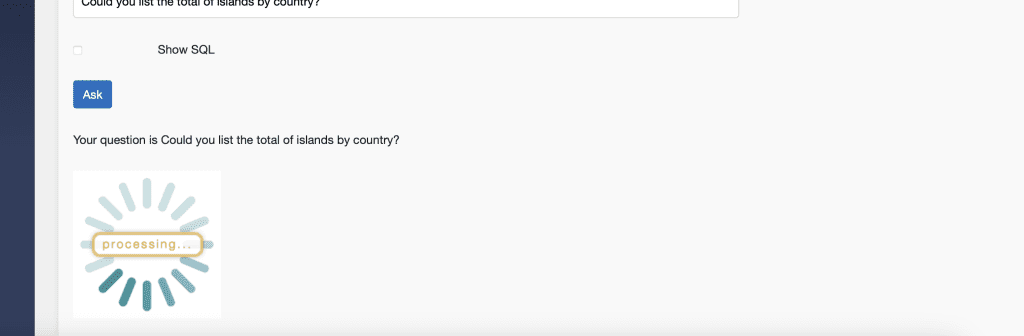
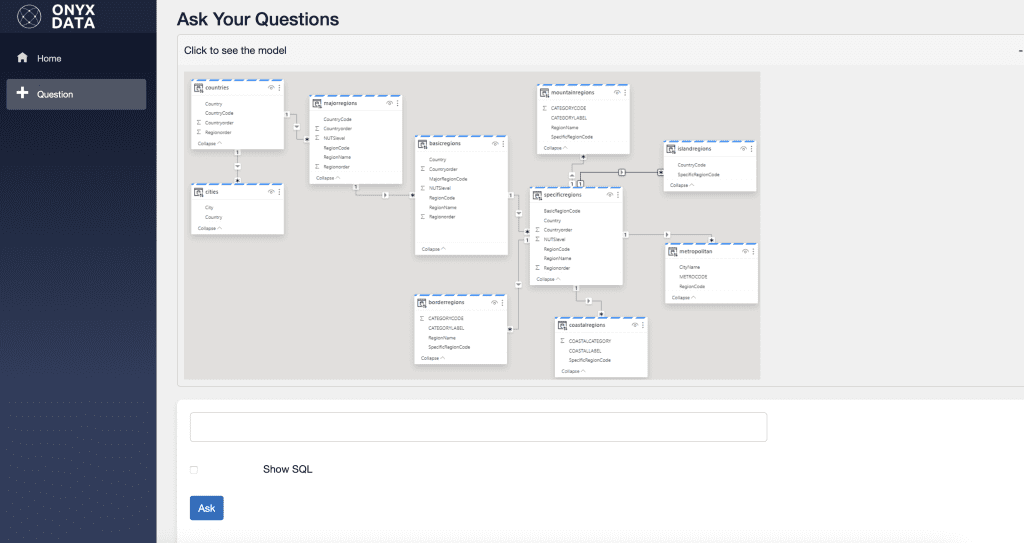
  • The first stage off using the model is to ask it a question which you want the answer to.


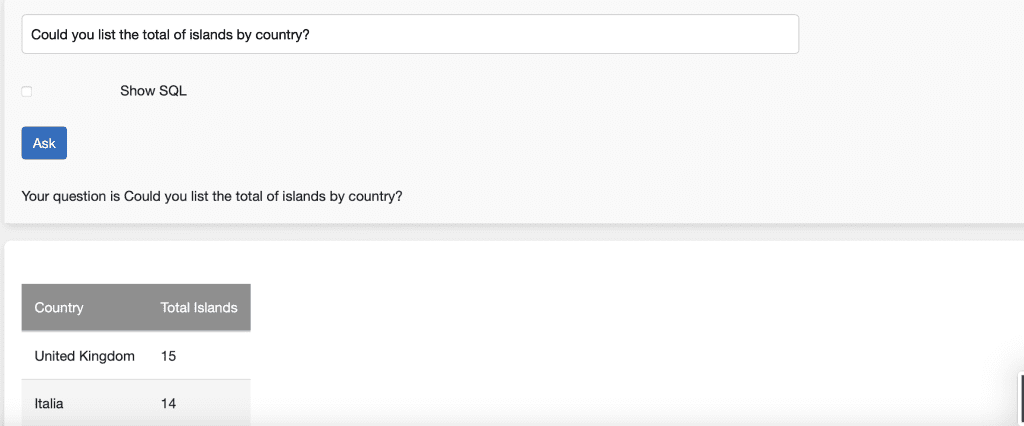
This intelligent chatbot goes beyond traditional reports by exploring data and uncovering hidden relationships that would otherwise remain undetected. With its ability to generate responses in less than a minute, LLM Chatbot empowers businesses to make informed decisions with unprecedented speed and efficiency.

  • Once you have asked the question, the bot will generate the response via a table form.


LLM Chatbot seamlessly integrates with Microsoft Fabric and Lakehouse architecture, providing businesses with a unified platform for data analysis and discovery.

It’s multilingual capabilities make it an invaluable asset for businesses operating in a globalised world, enabling them to communicate effectively with customers and partners worldwide.

  • This is the table which is formed once you as a user can ask questions.

Unleash the power of LLM Chatbot to transform your business:


  • Explore and Discover: Uncover hidden patterns and relationships within your data that traditional reports cannot reveal.

  • Real-time Insights: Gain immediate insights and make informed decisions in real-time, thanks to LLM Chatbot’s rapid response time.

  • Multilingual Communication: Break down language barriers and connect with customers and partners worldwide.

  • Seamless Integration: Leverage Microsoft Fabric and Lakehouse architecture for a unified data analysis platform.

  • Business-Ready Solutions: Implement LLM Chatbot across your business departments, empowering teams to make data-driven decisions.

LLM Chatbot is your key to unlocking the true potential of your data. Embrace the future of data-driven decision-making with LLM Chatbot today!

Conclusion


OpenAI’s groundbreaking advancements in AI are transforming the way we interact with technology, opening up new possibilities for communication, learning, and innovation. From AI-powered language models like GPT-3 to personalized learning experiences and AI-driven productivity tools, OpenAI is shaping the future of technology and its impact on society.

Contact Us Today


Our AI-powered services are multilingual and can be implemented in any business. Our bot search uses Microsoft Fabric, Lakehouse architecture, and returns answers to questions with a creation of table catering to what you asked.

Contact us today to learn more about how Onyx Data can help your business harness the power of AI and achieve your goals.


SOURCES

Home

The Power of Effective Data Strategy

The Power of Effective Data Strategy


Data, when harnessed effectively, can provide businesses with a comprehensive understanding of their customers, operations, and market trends, enabling them to make informed decisions, improve efficiency, and gain a competitive edge.

Creating a Data Strategy

Crafting an effective data strategy is crucial for organizations to maximize the potential of their data assets. A well-defined data strategy outlines the organisation’s data goals, identifies the data sources and tools required, and establishes a roadmap for data collection, management, analysis, and utilisation.

Key steps in creating a data strategy include:

  1. Define business objectives: Clearly articulate the business challenges or opportunities that data can address.

  2. Assess data assets: Identify the types of data available, their quality, and their accessibility.

  3. Establish data governance: Implement policies and procedures to ensure data security, privacy, and compliance.

  4. Choose data analytics tools: Select the appropriate tools and technologies for data collection, storage, analysis, and visualisation.

  5. Build a data team: Assemble a team with expertise in data management, analysis, and communication.

  6. Develop a roadmap: Create a plan for implementing the data strategy, including timelines, resource allocation, and success metrics.

Becoming a Data-Driven Organisation

A data-driven organisation is one that permeates data into its decision-making processes at all levels. It embraces data as a valuable asset and utilises it to gain insights into customer behavior, market trends, operational efficiency, and financial performance.

Characteristics of a data-driven organisation include:

  1. Data-centric culture: Fosters a culture that values data and encourages data-driven decision-making.

  2. Data literacy: Invests in training and education to enhance data literacy across the organisation.

  3. Data infrastructure: Implements robust data infrastructure to manage, store, and analyse large volumes of data.

  4. Data-driven decision-making: Integrates data-driven insights into strategic and operational decision-making processes.

  5. Continuous learning: Embraces a culture of continuous learning and experimentation with data.

Importance of Data Analytics and Data Analysis for Businesses

Data analytics and data analysis play a pivotal role in empowering businesses to make informed decisions, optimise operations, and drive growth.

Data analytics involves extracting meaningful insights from raw data using statistical techniques, machine learning, and data mining algorithms. It enables businesses to identify patterns, trends, and correlations that would otherwise remain hidden in large datasets.

Data analysis, on the other hand, focuses on interpreting and evaluating data to gain actionable insights. It involves summarising, cleaning, and transforming data into a format that can be easily understood and utilised for decision-making.

Importance of Data to Businesses

Data serves as the foundation for informed decision-making, enabling businesses to:

  1. Understand customers: Gain insights into customer behavior, preferences, and needs to improve customer satisfaction and loyalty.

  2. Optimise operations: Identify inefficiencies, bottlenecks, and areas for improvement to streamline processes and reduce costs.

  3. Enhance marketing: Develop targeted marketing campaigns, personalise customer experiences, and optimise product offerings.

  4. Manage risk: Identify and assess potential risks, such as financial risks or operational risks, to make informed decisions.

  5. Gain competitive advantage: Uncover hidden patterns and trends to make informed decisions ahead of competitors.

Why Modern Businesses Need Data Engineering Services

Data engineering services are crucial for modern businesses to manage and utilise their vast and growing data assets effectively. Data engineers design, build, and maintain data infrastructure, ensuring the collection, storage, processing, and analysis of data at scale.

Data engineering services provide:

  1. Data pipelines: Develop and maintain data pipelines for efficient data ingestion, transformation, and storage.

  2. Data architecture: Design and implement scalable, secure, and reliable data architecture.

  3. Data quality: Ensure data quality and consistency through data cleaning, validation, and profiling.

  4. Data governance: Implement data governance policies and procedures to ensure data security, privacy, and compliance.

Impact of Big Data on Businesses and Industries

Big data, the term used to describe large and complex datasets, has revolutionized the way businesses operate and industries function.

The impact of big data includes:

  1. Personalised experiences: Businesses can tailor products, services, and marketing campaigns to individual customer preferences.

  2. Predictive analytics: Businesses can forecast trends, predict customer behavior, and identify potential risks.

  3. Operational efficiency: Businesses can optimise processes, reduce costs, and improve resource allocation.

  4. Innovation: Businesses can discover new opportunities, develop new products, and disrupt existing markets.

Data analytics has become an essential tool for businesses of all sizes, enabling them to make informed decisions, improve efficiency, and gain a competitive edge. Companies are using data analytics in a variety of ways, from understanding customer behavior to optimizing operations.

How Companies Use Data Analytics

One of the most common uses of data analytics is to understand customer behavior. By analyzing data from customer transactions, website interactions, and social media, companies can gain insights into customer preferences, needs, and pain points. This information can then be used to develop targeted marketing campaigns, improve customer service, and create new products and services.

Data analytics is also used to optimise operations. Companies can use data to identify areas where they can improve efficiency, reduce costs, and increase productivity. For example, a manufacturing company can use data to optimize its production processes, while a retail company can use data to optimize its inventory management.

Data analytics can also be used to make informed decisions. Companies can use data to assess the risks and rewards of different business decisions, such as whether to launch a new product, enter a new market, or make a major investment.

How Companies Are Investing in Data and Analytics

Companies are investing in data and analytics in a number of ways. They are hiring data scientists and analysts, purchasing data analytics software, and building data warehouses. They are also partnering with data analytics consulting firms to help them implement data analytics solutions.

The investment in data and analytics is paying off. Companies that are using data analytics effectively are seeing a number of benefits, including increased revenue, improved efficiency, and reduced costs.

Conclusion

Data analytics is a powerful tool that can be used to improve business performance. Companies are investing in data and analytics in a number of ways, and they are seeing a number of benefits as a result. Data analytics is here to stay, and it will continue to play an increasingly important role in the future of business.

Find out more about our services here.

Click, read, and hear more about data and artificial intelligence  with our blogs on our website.

Citations

https://www.ibm.com/training/badge/data-science-professional-certificate

https://www.freecodecamp.org/news/teach-yourself-data-analytics-in-30-days/

https://business.adobe.com/products/marketo/marketing-analytics.html

https://www.coursera.org/learn/applying-data-analytics-business-in-finance

https://online.maryville.edu/blog/data-analytics-in-healthcare/

The Rise of AI Chatbots: Revolutionising Customer Interaction

The Rise of AI Chatbots: Revolutionising Customer Interaction


In today’s digital age, businesses are constantly seeking innovative ways to enhance customer engagement and streamline their operations. One powerful tool that has emerged as a game-changer in this regard is the chatbot. Chatbots, or conversational agents, are computer programs that can simulate conversation with humans through text or voice interactions. Powered by artificial intelligence (AI), chatbots are revolutionising customer interaction by providing a personalised, efficient, and round-the-clock approach to support.

The Evolution of Chatbots

Chatbots have come a long way from their simple rule-based beginnings. Old chatbots struggled to understand and respond to human language, causing frustrating and unhelpful conversations. AI and ML advancements have made chatbots smarter, enabling them to have more natural and meaningful conversations.

The Benefits of AI Chatbots for Customer Interaction

There are numerous benefits to using AI chatbots for customer interaction. Some of the key advantages include:

  1. 24/7 Availability: Chatbots provide 24/7 support, ensuring that customers receive assistance whenever they need it, regardless of business hours. This is useful for businesses with worldwide customers or those in industries needing 24/7 support.
  2. Cost-Effectiveness: Chatbots can handle a high volume of inquiries without requiring additional staff or resources. This can significantly reduce costs associated with traditional customer service channels, such as phone support or email.
  3. Personalised Interactions: AI chatbots can collect and analyze customer data to provide personalized interactions. This can include tailoring responses based on customer preferences, purchase history, and previous interactions.
  4. Chatbots can easily handle common customer questions like tracking orders, getting account info, and solving basic problems. This frees up human agents to focus on more complex issues that require specialised expertise.
  5. Improved Customer Satisfaction: By providing timely, accurate, and personalised support, chatbots can significantly improve customer satisfaction. This can lead to increased customer loyalty and positive brand perception.

Examples of AI Chatbots in Action

Businesses of all sizes across various industries use AI chatbots to enhance customer interaction. Here are a few examples:

  1. Many e-commerce sites use chatbots to suggest products, answer common questions, and help with the checkout.
  2. Customer Support: Chatbots are now more common in customer support centers. They can handle basic questions, pass on difficult problems to humans, and offer self-help guides.
  3. Banks and finance companies use chatbots to give account info, answer financial questions, and help with transactions.
  4. Airlines and hotels use chatbots to help with bookings, answer travel questions, and give personalised suggestions.

The Future of AI Chatbots

AI and ML advancements will make chatbots smarter. This will lead to better customer interaction. In today’s competitive world, chatbots will become essential for businesses.

This video is about how to chat with your data using ChatGPT and OpenAI. In the video, Dennes Torres shows how to use a data set extracted from the Eurostat:

Nomenclature of Territorial Units for Statistics. He then shows how to model the data set in Excel and how to use ChatGPT to ask questions about the data. Finally, he shows how to use OpenAI to answer the questions.

Here are some of the key points from the video:

  • How to use ChatGPT to ask questions about data
  • How to use OpenAI to answer questions about data
  • How to model data in Excel
  • How to use a data set extracted from the Eurostat called NUTS: Nomenclature of Territorial Units for Statistics


Conclusion

AI chatbots are revolutionising customer interaction by providing a personalised, efficient, and round-the-clock approach to support. This tech helps companies make customers happier, build brand loyalty, and be more competitive online.

By adopting this technology, companies can make their customers happier. Additionally, it helps increase brand loyalty among customers. Moreover, it provides companies with an advantage in the online market.

Sources

  1. www.linkedin.com/pulse/revolutionizing-customer-interaction-impact-chatbots-chatbot-team 
  2. AI-powered chatbots are changing how businesses interact with customers, helping them succeed in a competitive world.